


Ceramides are synthesized through complex biochemical pathways that are crucial for their function in cellular processes. These pathways ensure the production of ceramides from various precursors, allowing them to participate in cellular signaling and structural roles. Understanding these pathways provides insight into the regulation of ceramide levels and their impact on health.
Sphingomyelin Hydrolysis Pathway
One of the primary pathways for ceramide synthesis is sphingomyelin hydrolysis.
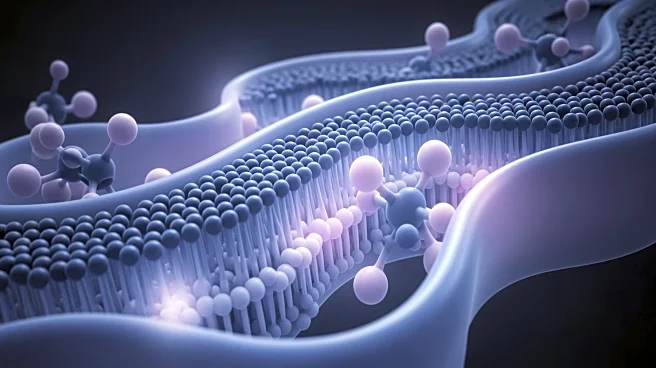
This process involves the enzyme sphingomyelinase, which breaks down sphingomyelin in the cell membrane to release ceramide. Sphingomyelin is a major phospholipid in the plasma membrane, and its hydrolysis is a key mechanism for generating ceramide in response to extracellular signals.
Research suggests that ionizing radiation can activate sphingomyelinase, leading to increased ceramide production and apoptosis. This pathway highlights the role of ceramides in programmed cell death, as the breakdown of sphingomyelin can trigger cellular responses to stress and damage.
De Novo Synthesis Pathway
The de novo synthesis pathway creates ceramide from simpler molecules, starting with the condensation of palmitate and serine to form 3-keto-dihydrosphingosine. This reaction is catalyzed by serine palmitoyl transferase and is the rate-limiting step of the pathway. Subsequent steps involve reduction, acylation, and desaturation reactions, ultimately producing ceramide.
De novo synthesis occurs in the endoplasmic reticulum, where ceramide is transported to the Golgi apparatus for further metabolism into other sphingolipids. This pathway is essential for maintaining ceramide levels and supporting their diverse functions in cellular signaling and membrane structure.
Salvage Pathway
The salvage pathway re-utilizes sphingosine, a breakdown product of sphingolipids, to form ceramide. This process occurs in acidic subcellular compartments, such as late endosomes and lysosomes, where sphingosine is reacylated to produce ceramide.
The salvage pathway is estimated to contribute significantly to sphingolipid biosynthesis, highlighting its importance in maintaining ceramide levels. By recycling sphingosine, this pathway ensures a steady supply of ceramide for cellular functions, even when de novo synthesis is limited.
Understanding these synthesis pathways is crucial for exploring the therapeutic potential of ceramides. By targeting specific enzymes or steps in these pathways, researchers can develop strategies to modulate ceramide levels, offering new approaches for treating diseases associated with ceramide dysregulation.