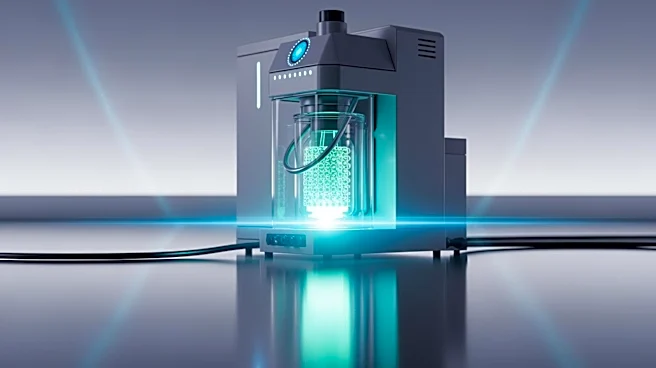



Micellar liquid chromatography (MLC) is a specialized form of chromatography that utilizes micellar solutions as the mobile phase. This technique, first introduced in 1980, has become a valuable tool in the separation and analysis of various compounds. MLC is particularly useful for enhancing the retention and selectivity of solutes that are otherwise difficult to separate. This article explores the fundamental principles of MLC, its applications,
and its advantages over other chromatographic techniques.
The Basics of Micellar Liquid Chromatography
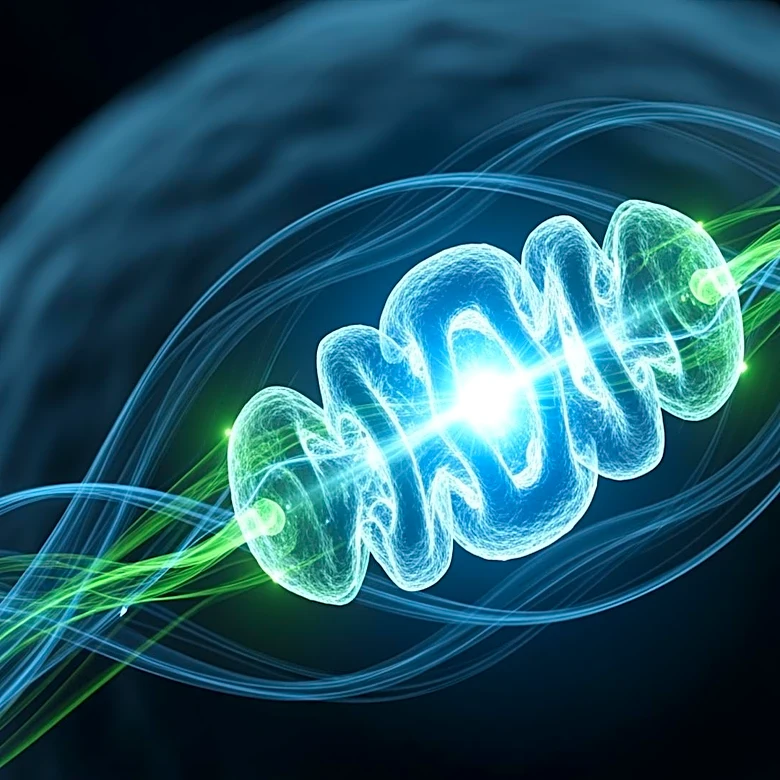
Micellar liquid chromatography is a type of reversed-phase liquid chromatography. It employs an aqueous micellar solution as the mobile phase, which is a key differentiator from traditional liquid chromatography methods. The mobile phase in MLC consists of micelles, which are aggregates of surfactant molecules. These micelles have a hydrophobic core and a hydrophilic exterior, allowing them to interact with both polar and non-polar solutes.
The introduction of micelles into the mobile phase adds a third phase into which solutes can partition. This unique feature of MLC allows for the separation of solutes based on their polarity and hydrophobicity. Solutes with greater polarity tend to remain in the mobile phase longer, while less polar solutes interact more with the stationary phase, leading to their separation.
Applications of Micellar Liquid Chromatography
MLC has found applications in a wide range of fields due to its ability to separate complex mixtures. It is particularly useful in the analysis of pharmaceutical compounds, where it can separate mixtures of charged and neutral solutes. MLC is also employed in the direct injection of physiological fluids, such as serum and plasma, without the need for extensive sample preparation.
In addition to pharmaceuticals, MLC is used in the separation of enantiomers and the analysis of inorganic organometallics. Its ability to handle complex samples with minimal preparation makes it a valuable tool in various scientific and industrial applications.
Advantages and Future Prospects
Despite some limitations in efficiency, MLC offers several advantages over other chromatographic techniques. It provides better selectivity and retention for charged molecules compared to ion-exchange and ion-pairing chromatography. The use of micelles allows for the solubilization of proteins, enabling the analysis of untreated biological fluids.
The future of MLC looks promising as new approaches are developed to improve its efficiency. As researchers continue to explore its potential, MLC is expected to gain wider acceptance and application in fields such as physiological fluid analysis, pharmaceuticals, and inorganic ion separation. Its unique capabilities make it a valuable tool for solving complex separation problems in various scientific disciplines.