


The Dodge Viper is synonymous with high performance and raw power, making it a standout in the world of sports cars. From its inception, the Viper was designed to deliver an exhilarating driving experience, thanks to its powerful V10 engine and performance-focused engineering. This article delves into the specifications and performance features that have made the Viper a legend on the road and track.
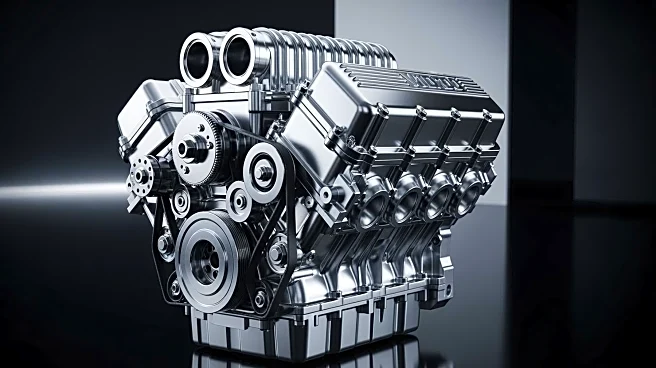
The V10 Engine: A Powerhouse
At the core of the Dodge Viper's performance is
its V10 engine, a defining feature that set it apart from other sports cars. The first-generation Viper (SR I) was equipped with an 8.0-liter V10 engine, developed with assistance from Lamborghini. This engine produced 400 hp and 465 lb-ft of torque, allowing the Viper to accelerate from 0 to 60 mph in just 4.5 seconds.
As the Viper evolved, so did its engine. The third-generation Viper (ZB I) saw an increase in engine displacement to 8.3 liters, boosting power output to 500 hp for the roadster and 510 hp for the coupe. The final generation (VX I) featured an 8.4-liter V10 engine, capable of producing up to 650 hp. This relentless pursuit of power ensured that the Viper remained a formidable presence on the road.
Engineering for Speed
The Dodge Viper's engineering was focused on maximizing speed and performance. The first-generation Viper featured a lightweight design, with a tubular steel frame and fiberglass panels. This construction contributed to the car's impressive acceleration and handling capabilities.
In the third generation, the Viper's chassis was made more rigid and lightweight, further enhancing its performance. The car's suspension system, featuring unequal length double wishbones and vented disc brakes, provided exceptional handling and stopping power. These engineering advancements allowed the Viper to achieve a top speed of 192.6 mph in the coupe variant.
A Legacy of Performance
Throughout its production, the Dodge Viper consistently delivered outstanding performance, earning its place as a symbol of American muscle and engineering prowess. The final generation (VX I) continued this legacy, with advanced features such as electronic stability control and traction control, ensuring that the Viper remained competitive in the modern sports car market.
The Viper's combination of raw power and cutting-edge engineering has left a lasting impact on the automotive world. Even after production ended in 2017, the Viper's reputation as a high-performance icon endures, inspiring car enthusiasts and engineers alike.