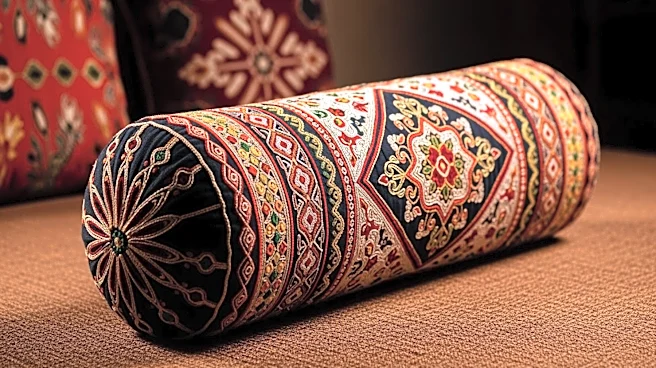









The bolster, a long and narrow pillow or cushion, has a rich history that spans continents and cultures. Originally designed for support and comfort, bolsters have evolved in both form and function over the centuries. This article delves into the historical development of bolsters, their cultural significance in various regions, and how they have become more than just a bedding accessory.
Historical Origins and Development
The term "bolster" has its roots in Middle and Old English,
with connections to the Old English word "belg," meaning "bag." The first known use of the word dates back to before the 12th century. Historically, bolsters were used as a part of bedding, providing support for the back or arms. They were typically filled with materials like cotton, down, or fiber, and were known for their firmness.
In the Nordic regions, bolsters were initially part of the bedding ensemble, often filled with straw or hay. This practice was common in the Middle Ages, where bolsters served as a practical solution for comfort and warmth. Over time, the materials used for filling evolved, with more luxurious options like wool and down becoming popular.
Cultural Significance Across Regions
In Southeast and South Asia, bolsters hold a special place in daily life. In countries like India and Pakistan, bolsters are known by various names such as "lode" in Marathi and "gao-takkiya" in Bengali. They are often used for back support and are a common feature in homes. In Vietnam, the bolster is affectionately called a "hugging pillow," highlighting its role in providing comfort during sleep.
East Asia also has its unique take on bolsters. In Japan, the "dakimakura" or "hugging pillow" is a popular item, often associated with comfort and companionship. The tradition of gifting a bamboo bolster, known as "jukbuin" in Korea, to a traveling husband underscores its cultural importance. These bolsters are designed to keep the user cool during the summer months, thanks to their hollow bamboo construction.
Modern Uses and Adaptations
In Western countries, bolsters have found their place as decorative and functional items. They are commonly used as head or lower back support on beds and furniture. In the United States, body pillows that resemble bolsters are designed to be hugged during sleep, providing comfort and support.
The versatility of bolsters has led to their use in various settings, from cribs as bumpers to lounging areas in family rooms. Despite their evolution, bolsters continue to serve their primary purpose of providing comfort and support, while also adapting to modern design trends.
The bolster's journey from a simple bedding accessory to a cultural icon is a testament to its enduring appeal and functionality. Whether used for support, decoration, or cultural tradition, bolsters remain a beloved item across the globe.