




Ohio's geographic diversity is a defining feature of the state, influencing its development and economic growth. Located in the Midwestern region of the United States, Ohio's varied landscape includes lakes, rivers, and fertile plains, each contributing to the state's unique character. This article examines Ohio's geographic features and their impact on the state's development and economy.
The Role of Ohio's Waterways
Ohio's waterways have played a crucial role in its development.
The state is bordered by Lake Erie to the north, providing access to the Great Lakes and facilitating trade and transportation. The Ohio River forms the southern border, serving as a vital route for commerce and migration.
These waterways have historically been instrumental in Ohio's economic growth. They enabled the transportation of goods and resources, fostering trade with neighboring states and Canada. The presence of these water bodies also attracted settlers, who utilized them for agriculture and industry. Ohio's strategic location along these waterways contributed to its emergence as an industrial powerhouse.
Fertile Plains and Agricultural Development
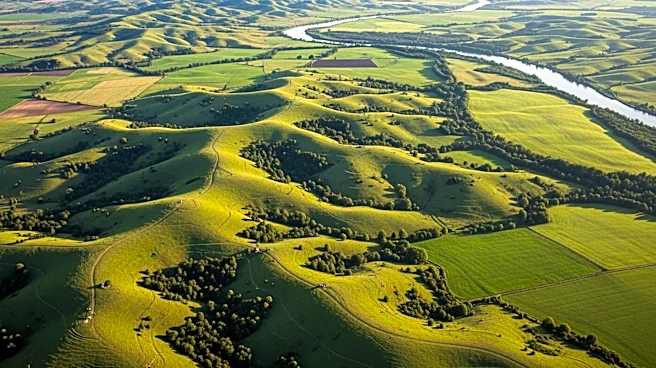
Ohio's fertile plains have been a cornerstone of its agricultural development. The state's rich soil and favorable climate make it ideal for farming, supporting a diverse range of crops and livestock. Agriculture has been a significant part of Ohio's economy, with farming communities thriving across the state.
The agricultural sector has influenced Ohio's cultural and social landscape, shaping the traditions and lifestyles of its residents. Farming practices have evolved over time, incorporating modern techniques and technologies to enhance productivity. Ohio's agricultural heritage is celebrated through various events and fairs, highlighting the importance of farming to the state's identity.
Urbanization and Industrial Growth
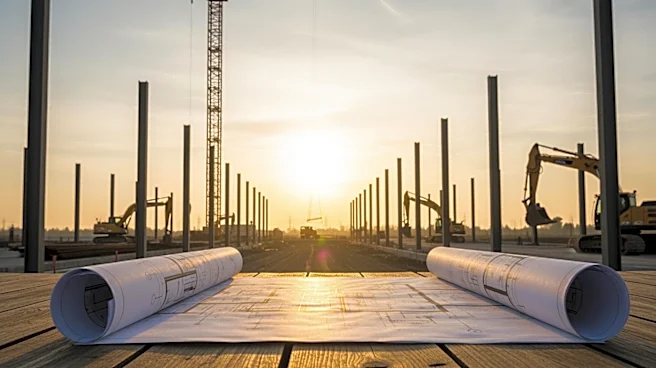
Ohio's geographic diversity has also contributed to its urbanization and industrial growth. The state's major cities, including Columbus, Cleveland, and Cincinnati, have developed into bustling urban centers, each with its own unique character. These cities have become hubs of industry, commerce, and culture, attracting residents and businesses alike.
The industrial sector in Ohio has benefited from the state's geographic advantages, with access to natural resources and transportation networks. Manufacturing, automobile production, and technology industries have flourished, driving economic growth and providing employment opportunities. Ohio's cities continue to evolve, adapting to changing economic landscapes and embracing innovation.
Ohio's geographic diversity is a key factor in its development and economic success. The state's waterways, fertile plains, and urban centers have shaped its identity, contributing to its growth and prosperity. As Ohio continues to develop, its geographic features remain integral to its character and future potential.