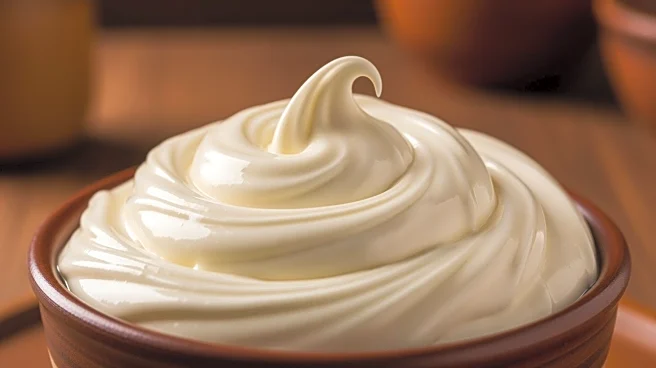




Malai, a type of clotted cream, is a staple in the cuisine of the Indian subcontinent. Known for its rich texture and creamy flavor, malai is a key ingredient in many traditional Indian sweets and dishes. This article delves into the preparation of malai and its various culinary applications, highlighting its significance in Indian cooking.
The Art of Making Malai
Creating malai is a process that requires patience and precision. It begins with heating non-homogenized whole
milk to about 80 °C (180 °F) for approximately one hour. This careful heating allows a thick, yellowish layer of fat and coagulated proteins to form on the surface. Once the milk is cooled, this layer is skimmed off, resulting in the creamy malai. The process is simple yet effective, yielding a product with about 55% butterfat.
Buffalo milk is often preferred for making malai due to its higher fat content, which ranges from 5 to 12%. This results in a richer and creamier malai compared to that made from cow's milk, which typically has a fat content of 3 to 5%. The choice of milk significantly influences the texture and flavor of the final product, making buffalo milk a favored option among traditional cooks.
Malai in Indian Cuisine
Malai is a versatile ingredient in Indian cuisine, particularly in the preparation of sweets. It is a major component in dishes like malai kofta, malai pedha, ras malai, and malai kulfi. Each of these dishes showcases the creamy texture and rich flavor of malai, making them popular choices for festive occasions and celebrations.
In savory dishes, malai is used to enhance the richness of curries and gravies. For instance, methi matar malai, a dish featuring green peas, is enriched with malai to create a creamy and flavorful sauce. The addition of malai not only adds depth to the dish but also balances the spices, resulting in a harmonious blend of flavors.
The Cultural Significance of Malai
Beyond its culinary uses, malai holds cultural significance in the Indian subcontinent. It is often associated with hospitality and celebration, symbolizing abundance and prosperity. Offering sweets made with malai is a common practice during festivals and special occasions, reflecting the importance of this creamy delight in Indian culture.
Malai's role in Indian cuisine is a testament to its versatility and appeal. Whether used in sweets or savory dishes, its creamy texture and rich flavor continue to captivate the taste buds of those who experience it. As a cherished ingredient, malai remains an integral part of the culinary traditions of the Indian subcontinent.