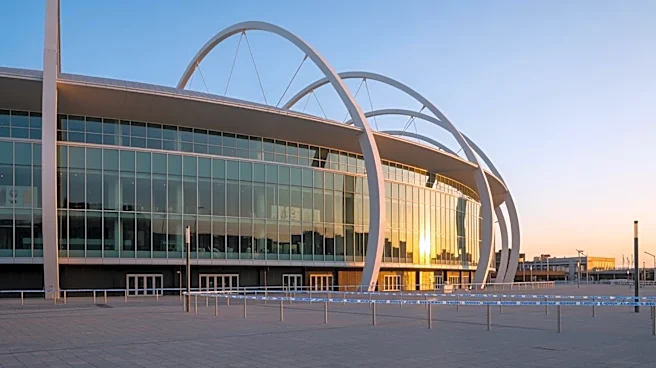

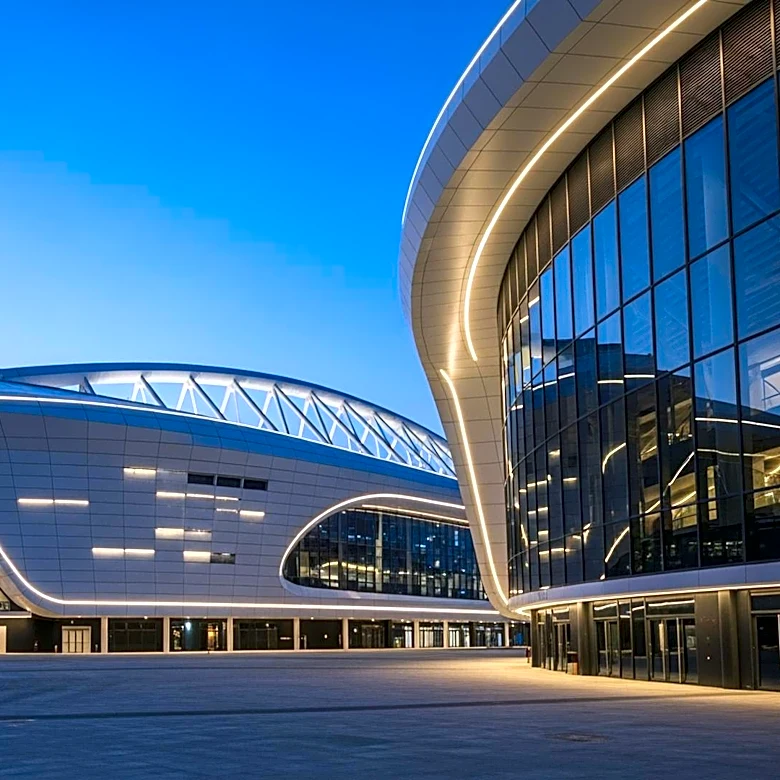





Ak Bars Arena, located in Kazan, Russia, is not just a stadium but an architectural marvel. Completed in 2013, it stands as a testament to modern design and engineering. With a seating capacity of 45,379, it serves as the home ground for FC Rubin Kazan and is renowned for having the world's largest outdoor screen. This article delves into the architectural features and design elements that make Ak Bars Arena a standout structure.
Design and Construction
The design of Ak Bars
Arena was crafted by the architectural firm Populous, known for their expertise in creating iconic sports venues. The construction of the stadium began on May 5, 2010, and was completed in July 2013. The project cost approximately 450 million U.S. dollars, reflecting the scale and ambition of the design. The stadium's architecture is not only functional but also symbolic, representing the unique cultural and geographical identity of Kazan.
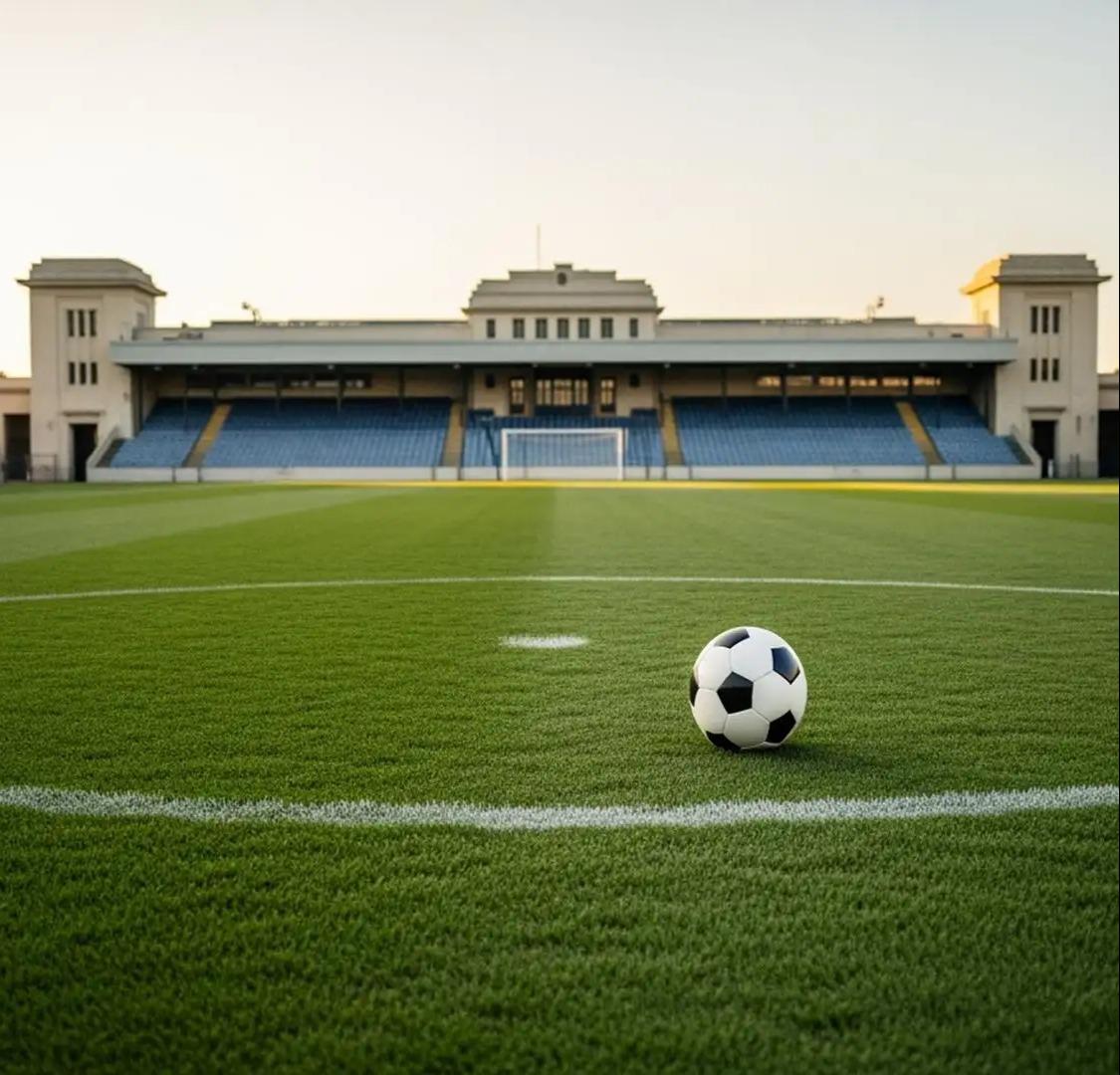
The stadium's design incorporates a GrassMaster surface, which combines natural grass with synthetic fibers to ensure durability and optimal playing conditions. The dimensions of the playing field are 105 by 68 meters, adhering to international standards. The exterior of the stadium is equally impressive, featuring a massive screen that enhances the visual experience for fans both inside and outside the venue.
Symbolism and Cultural Significance
According to Damon Lavelle, the lead architect from Populous, the design of Ak Bars Arena is imbued with cultural symbolism. The stadium's architecture reflects the rich history and diverse cultural heritage of Kazan, a city known for its blend of Russian and Tatar influences. This cultural fusion is evident in the stadium's design, which aims to create a sense of place and identity for the local community.
The stadium's location in the eastern part of Kazan, near the Kazanka River, further enhances its cultural significance. It serves as a landmark for the city, drawing visitors and sports enthusiasts from around the world. The design of Ak Bars Arena not only meets the functional requirements of a modern sports venue but also celebrates the cultural and historical context of its surroundings.
Technological Innovations
One of the most striking features of Ak Bars Arena is its technological advancements. The stadium boasts the world's largest outdoor screen, which provides an unparalleled viewing experience for spectators. This screen is a key element of the stadium's design, enhancing the visual impact and creating a dynamic atmosphere during events.
The use of advanced technology extends to the stadium's lighting and sound systems, which are designed to provide an immersive experience for fans. The combination of cutting-edge technology and innovative design makes Ak Bars Arena a leader in modern stadium architecture. Its ability to host major international events, such as the 2018 FIFA World Cup, underscores its status as a world-class venue.