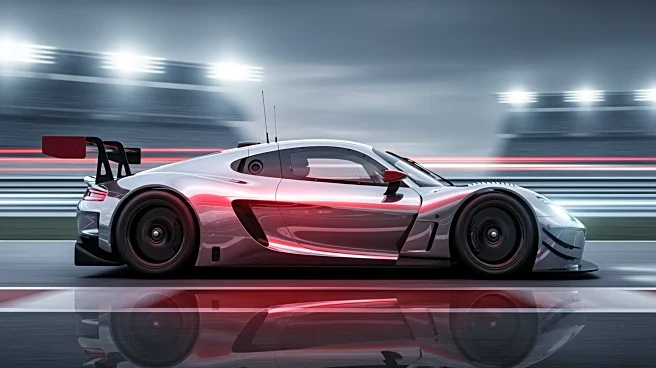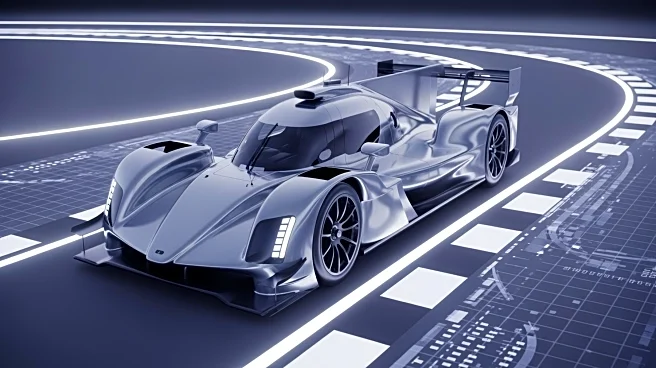


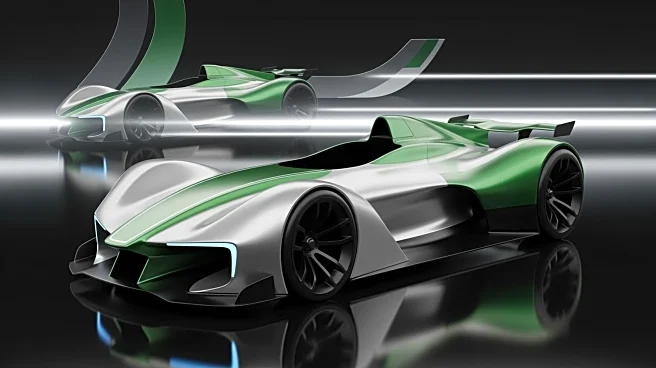
The introduction of the Le Mans Daytona h (LMDh) regulations has had a profound impact on the global endurance racing landscape. By creating a unified set of rules that allow for competition across different series, the LMDh regulations have reshaped the sport, fostering increased collaboration and innovation. This article examines the influence of LMDh regulations on endurance racing worldwide.
A Unified Approach to Racing
The LMDh regulations were developed through a collaboration
between the International Motor Sports Association (IMSA) and the Automobile Club de l'Ouest (ACO). This partnership aimed to create a set of rules that would allow LMDh cars to compete alongside Le Mans Hypercars (LMH) in both the FIA World Endurance Championship (WEC) and IMSA's premier series. By converging the regulations, the organizers sought to streamline the entry process for manufacturers and teams, encouraging participation in multiple series.
This unified approach has been instrumental in attracting a diverse range of manufacturers to the sport. With the ability to compete in both WEC and IMSA, manufacturers can maximize their investment in LMDh technology, showcasing their capabilities on a global stage. The regulations have also facilitated the sharing of technical expertise and resources, further enhancing the competitive nature of endurance racing.
Enhancing Competition and Innovation
The LMDh regulations have played a key role in enhancing competition within endurance racing. By providing a standardized framework for hybrid systems and chassis suppliers, the regulations ensure a level playing field while still allowing for technological innovation. Manufacturers are encouraged to develop cutting-edge solutions within the parameters set by the regulations, leading to advancements in performance and efficiency.
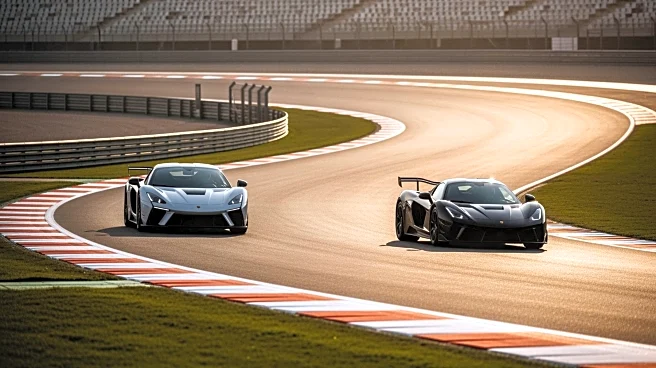
The debut of LMDh cars in the 2023 IMSA SportsCar Championship at the 24 Hours of Daytona highlighted the competitive spirit fostered by the regulations. With four different manufacturers entering a total of nine cars, the event showcased the diversity and innovation that the LMDh regulations have brought to the sport. This increased competition has also led to more exciting and unpredictable races, capturing the attention of fans worldwide.
Global Influence and Future Prospects
The impact of LMDh regulations extends beyond the immediate racing series, influencing the broader motorsport industry. As manufacturers continue to invest in LMDh technology, the lessons learned from endurance racing are likely to be applied to other forms of motorsport, driving innovation across the board. The collaboration between IMSA and ACO serves as a model for future partnerships, demonstrating the benefits of a unified approach to racing.
Looking ahead, the LMDh regulations are poised to shape the future of endurance racing, with potential expansions into new markets and series. As the sport continues to evolve, the influence of LMDh regulations will be felt across the globe, driving the pursuit of excellence in performance, sustainability, and competition.