



Cajun cuisine is renowned for its bold flavors and hearty dishes, achieved through a combination of specific ingredients and cooking techniques. This culinary tradition, rooted in the cultural melting pot of Louisiana, relies on a few key elements that define its unique taste and texture. Understanding these ingredients and methods is essential to appreciating the depth and richness of Cajun cooking.
Essential Ingredients
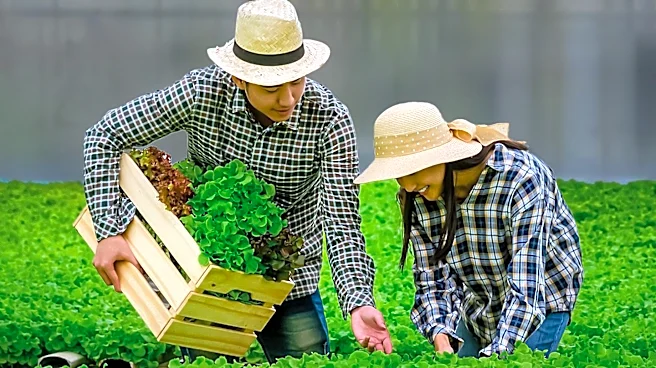
At the heart of Cajun cuisine is the "holy trinity"
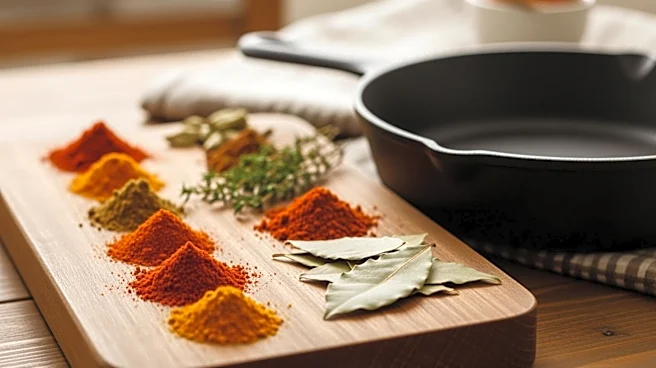
of vegetables: onions, bell peppers, and celery. This aromatic base is used in a wide variety of dishes, providing a foundation of flavor that is both versatile and distinctive. The trinity is often accompanied by additional aromatics such as parsley, bay leaf, thyme, and green onions, which enhance the complexity of the dishes.
Cajun cooking also makes extensive use of spices, with cayenne pepper and Louisiana-style hot sauce being the primary sources of heat. Despite the national "Cajun hot" craze, authentic Cajun dishes typically feature a milder, more balanced spice level. Other common seasonings include black pepper, paprika, and garlic, which contribute to the robust flavor profile characteristic of Cajun cuisine.
Traditional Cooking Methods
Cajun cooking is known for its simplicity and reliance on one-pot meals. This approach not only makes preparation easier but also allows the flavors to meld together, creating a cohesive and satisfying dish. Gumbo and jambalaya are prime examples of this technique, where meats, vegetables, and rice are cooked together in a single pot.
Roux is another fundamental component of Cajun cooking, used as a thickening agent in many dishes. Unlike the French version, Cajun roux is typically made with oil or bacon fat, resulting in a darker, nuttier flavor. The preparation of roux requires careful attention, as it must be stirred constantly to prevent burning.
Modern Innovations
While traditional Cajun cooking methods remain popular, modern chefs have introduced new techniques and ingredients to the cuisine. The influx of Vietnamese immigrants to the Gulf Coast has led to the development of Viet-Cajun fusion dishes, which combine traditional Cajun flavors with Vietnamese spices and cooking methods.
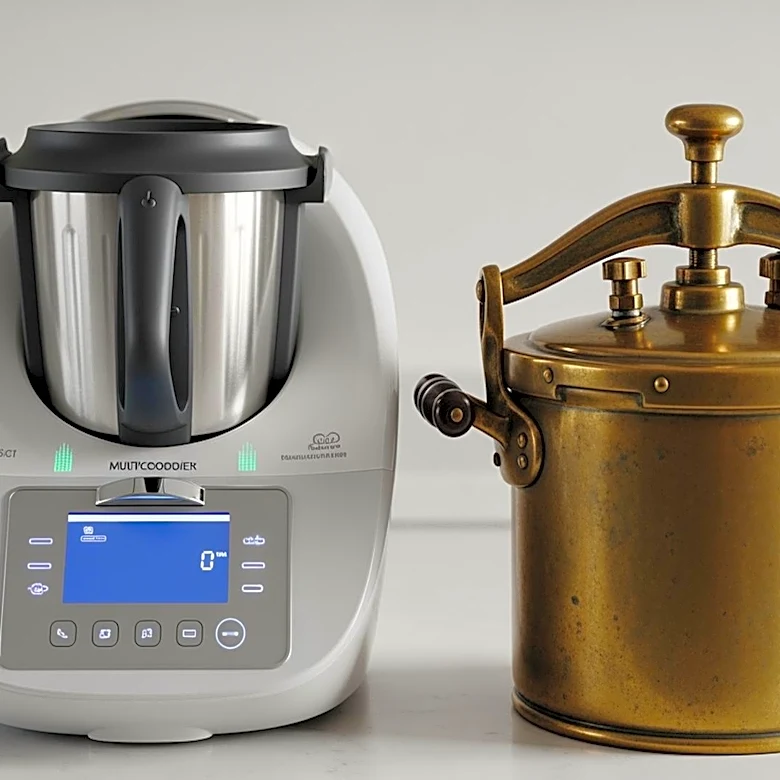
Additionally, the use of modern appliances such as slow cookers and pressure cookers has made it easier to prepare classic Cajun dishes without sacrificing flavor. These innovations have allowed Cajun cuisine to reach a wider audience, while still preserving the essence of its traditional roots.
In conclusion, the key ingredients and techniques of Cajun cooking are integral to its identity, providing a rich tapestry of flavors and textures that continue to captivate food enthusiasts around the world.