


The Louvre Museum in Paris is not only famous for its vast art collection but also for its remarkable architectural evolution. Over the centuries, the Louvre has undergone numerous transformations, reflecting the changing tastes and needs of its time. This article explores the architectural journey of the Louvre, from its medieval origins to its modern-day grandeur.
Medieval Beginnings and Renaissance Transformations
The architectural story of the Louvre begins in the late 12th century when it was constructed
as a fortress under King Philip II. The original structure was designed to protect Paris from potential invasions, with its thick walls and strategic location along the Seine River. Remnants of this medieval fortress can still be seen in the basement of the museum today.
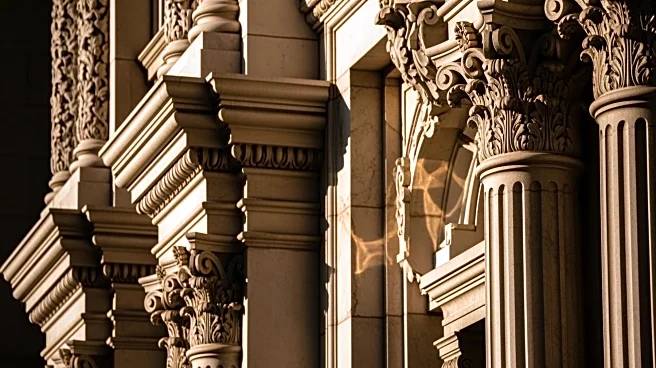
In the 16th century, King Francis I initiated a significant transformation of the Louvre, converting it into a royal residence. This marked the beginning of the Louvre's association with art and culture, as Francis I was a patron of the arts and brought many masterpieces to the palace. The architectural style of the Louvre began to reflect the Renaissance influence, with elegant facades and ornate decorations.
19th Century Expansions and Modernization
The 19th century was a period of significant expansion and modernization for the Louvre. During this time, the museum's exhibition space was greatly increased to accommodate its growing collection. The iconic Louvre Pyramid, designed by architect I. M. Pei, was added in the late 20th century, further modernizing the museum's appearance and enhancing its accessibility.
The Louvre Pyramid, completed in 1989, serves as the main entrance to the museum and has become a symbol of its innovative spirit. This architectural masterpiece harmoniously integrates with the historic Louvre Palace, creating a unique and captivating visitor experience. The pyramid's design, with its glass and metal structure, contrasts with the traditional stone architecture of the palace, highlighting the museum's blend of history and modernity.
A Symbol of Cultural Heritage
The architectural evolution of the Louvre is a testament to its enduring significance as a cultural institution. Each architectural addition and renovation reflects the changing tastes and needs of its time, while also preserving the museum's rich history. The Louvre's architecture is a blend of historical and modern elements, creating a unique and captivating visitor experience.
Today, the Louvre stands as a symbol of France's cultural heritage, attracting millions of visitors from around the world. Its architectural grandeur and historical significance make it a must-visit destination for art enthusiasts and tourists alike. The Louvre's commitment to preserving and promoting art and culture ensures its continued relevance and impact in the world of art.
In conclusion, the architectural journey of the Louvre reflects its dynamic history and cultural evolution. From its medieval origins to its modern-day grandeur, the Louvre's architecture is a testament to its enduring legacy as a center of art and culture.