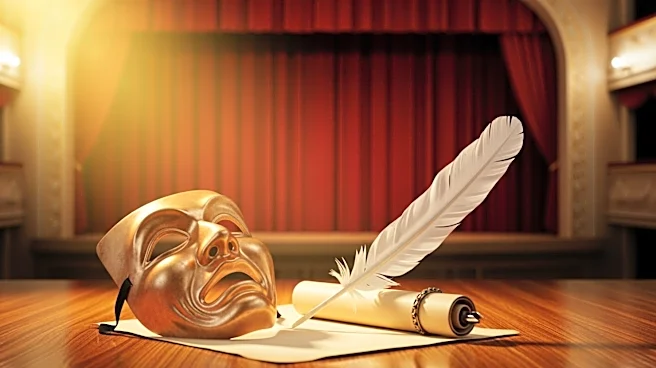






Comedy has been a staple of theatrical plays since ancient times, providing audiences with laughter and entertainment while often delivering insightful commentary on society. Over the centuries, comedy has evolved, adapting to cultural changes and audience preferences. From the witty dialogues of Shakespeare to the slapstick humor of modern farces, comedy in theater continues to captivate and amuse.
Ancient and Classical Comedy
The origins of comedy in theater can be traced back
to Ancient Greece, where it was one of the two original genres of drama, alongside tragedy. Greek comedies often featured exaggerated characters and situations, using humor to critique contemporary society and politics. Aristophanes, one of the most famous Greek playwrights, was known for his satirical comedies that poked fun at public figures and institutions.
As theater evolved, so did the comedic genre. Roman playwrights like Plautus and Terence adapted Greek comedies, infusing them with their own cultural elements. These early comedies laid the groundwork for future developments in the genre, influencing playwrights for centuries to come.
The Renaissance and Restoration Comedy
During the Renaissance, comedy experienced a resurgence, with playwrights like William Shakespeare and Molière creating some of the most enduring comedic works. Shakespeare's comedies, such as "A Midsummer Night's Dream," are known for their clever wordplay, complex characters, and intricate plots. These plays often explored themes of love, identity, and social hierarchy, using humor to highlight the absurdities of human behavior.
In the Restoration period, comedy took on a new form with the emergence of the comedy of manners. These plays, characterized by their witty dialogue and satirical portrayal of social customs, were popular among the English aristocracy. Playwrights like William Congreve and Richard Brinsley Sheridan crafted comedies that critiqued the manners and morals of their time, using humor to expose the follies of the upper class.
Modern Comedy and Its Variations
In the modern era, comedy in theater has continued to evolve, incorporating new styles and techniques. Farce, a subgenre of comedy, relies on exaggerated situations and physical humor to elicit laughter. Plays like "The Comedy of Errors" by Shakespeare and "Is He Dead?" by Mark Twain exemplify this style, using slapstick and absurdity to entertain audiences.
Satire remains a popular form of comedy, with playwrights using humor to comment on contemporary issues and challenge societal norms. Satirical plays, such as Nikolai Gogol's "The Government Inspector," offer a humorous yet critical perspective on politics and social structures.
As theater continues to adapt to changing times, comedy remains a vital and dynamic genre. Its ability to entertain while provoking thought ensures that comedy will continue to be a beloved and essential part of theatrical plays for generations to come.