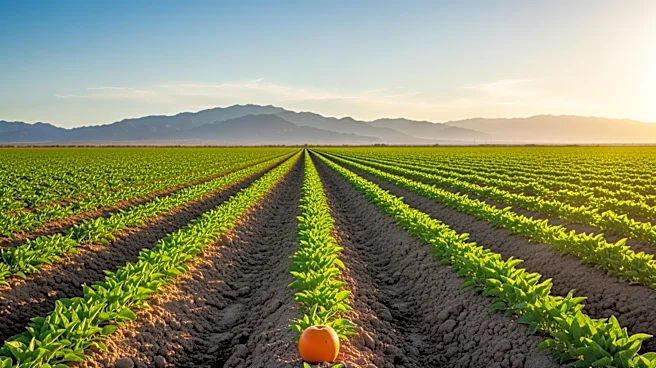








Coachella, California, has long been recognized as a significant hub for agriculture and economic development in Southern California. With its fertile lands and strategic location, the city has played a crucial role in the region's agricultural industry. This article delves into Coachella's agricultural significance and its impact on the local economy, highlighting key developments and initiatives.
Agricultural Roots and Growth
Coachella's agricultural roots date back to the early
20th century when the city began to expand into its range, covering about 32 square miles. This area included large year-round agricultural corporate farms and fruit groves, particularly of citrus and date palms. The city's fertile lands and favorable climate have made it an ideal location for growing a variety of crops, contributing to its reputation as an agricultural powerhouse.
The city's agricultural industry has been a driving force behind its economic growth, providing employment opportunities and supporting local businesses. Coachella's strategic location as a transportation hub has further facilitated the distribution of agricultural products across Southern California and the Western United States, enhancing its economic significance.
Economic Initiatives and Developments
In 1995, Coachella was designated as part of the Coachella Valley Enterprise Zone, an initiative aimed at boosting economic activity and attracting businesses to the area. This designation provided incentives for businesses to relocate to Coachella, fostering economic growth and development in the city.
One of the most notable developments in Coachella's industrial landscape was the addition of a Coca-Cola bottling facility in 2010. As a LEED-certified building, the facility represents a commitment to sustainability and environmental responsibility. This development has provided a significant boost to the local economy, creating jobs and contributing to the city's industrial growth.
Challenges and Future Prospects
Despite its agricultural and economic successes, Coachella faces challenges related to water resources and environmental sustainability. The city's reliance on agriculture necessitates careful management of water resources to ensure the long-term viability of its agricultural industry.
Looking to the future, Coachella is poised to continue its role as a key player in Southern California's agricultural and economic landscape. With ongoing efforts to attract businesses and promote sustainable practices, the city is well-positioned to capitalize on its strengths and address the challenges it faces.
In conclusion, Coachella's significance in agriculture and economic development cannot be overstated. As a hub for agricultural production and a center for economic initiatives, the city plays a vital role in the region's prosperity. With a focus on sustainability and growth, Coachella is set to continue its legacy as a dynamic and thriving community.