







The U.S. withdrawal from the Anti-Ballistic Missile (ABM) Treaty in 2002 marked a significant turning point in global nuclear strategy, particularly for Russia. This move by the United States prompted Russia to reassess and enhance its nuclear capabilities, leading to a series of strategic developments aimed at counterbalancing U.S. military advancements. This article delves into the evolution of Russia's nuclear strategy following the dissolution
of the ABM Treaty, highlighting key developments and their implications.
Russia's Initial Response
In the immediate aftermath of the U.S. withdrawal from the ABM Treaty, Russia embarked on a path to bolster its nuclear arsenal. The treaty, which had been a cornerstone of arms control since 1972, limited the number of anti-ballistic missile systems each superpower could deploy. Its dissolution removed these constraints, prompting Russia to enhance its nuclear deterrence capabilities. Russian officials viewed the U.S. decision as a direct threat, leading to a strategic pivot that included the development of new missile systems and an increase in nuclear warheads.
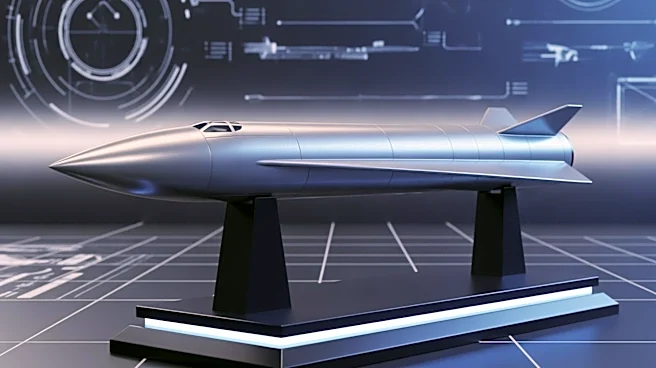
One of the primary responses was the development of the RS-28 Sarmat, a new intercontinental ballistic missile (ICBM) designed to penetrate advanced missile defense systems. This missile, capable of carrying multiple warheads, was a clear indication of Russia's intent to maintain strategic parity with the United States. The RS-28 Sarmat, along with other advancements, underscored Russia's commitment to ensuring its nuclear arsenal remained a credible deterrent.
Strategic Developments and Innovations
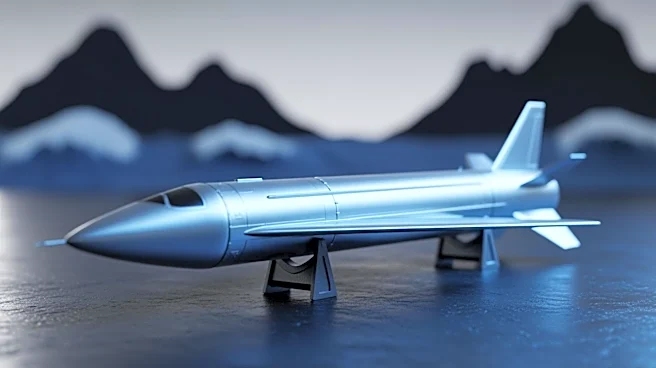
Beyond the development of new missile systems, Russia's nuclear strategy post-ABM Treaty included a broader array of innovations. The introduction of hypersonic glide vehicles, such as the Avangard, represented a significant leap in military technology. These vehicles are capable of traveling at speeds exceeding Mach 20, making them nearly impossible to intercept with existing missile defense systems.
Additionally, Russia invested in the modernization of its existing nuclear forces. This included upgrades to its submarine-launched ballistic missiles (SLBMs) and the deployment of new strategic bombers. These efforts were aimed at ensuring the survivability and effectiveness of Russia's nuclear forces in the face of evolving threats. The modernization of Russia's nuclear triad—land-based missiles, submarine-launched missiles, and strategic bombers—was a critical component of its post-ABM strategy.
Implications for Global Security
The evolution of Russia's nuclear strategy following the U.S. withdrawal from the ABM Treaty has had significant implications for global security. The development of advanced missile systems and the modernization of its nuclear forces have contributed to heightened tensions between Russia and the United States. These developments have also sparked concerns about a renewed arms race, as both nations continue to invest in new military technologies.
Furthermore, Russia's strategic innovations have prompted other nations to reassess their own defense capabilities. The introduction of hypersonic weapons, in particular, has raised questions about the future of missile defense systems and the potential for new arms control agreements. As global powers navigate this complex landscape, the legacy of the ABM Treaty and its dissolution continues to shape the dynamics of international security.