



Silverstone Circuit, a cornerstone of British motorsport, has a rich history that dates back to its origins as a Royal Air Force bomber station. Over the decades, it has evolved significantly, adapting to the changing demands of motorsport and safety regulations. This article explores the historical development of Silverstone Circuit, highlighting key changes and milestones that have shaped it into the iconic track it is today.
From Airfield to Racing Circuit
Silverstone's journey
began in 1943 when it was established as RAF Silverstone, a bomber station during World War II. The airfield featured three runways laid out in a classic WWII triangle format, which would later influence the layout of the racing circuit. After the war, the airfield was no longer needed for military purposes, and in 1948, the Royal Automobile Club (RAC) took a lease on the site to create a racing circuit.
The first motorsport event at Silverstone was an impromptu race organized by a group of friends in 1947, famously known as the Mutton Grand Prix after a sheep was accidentally run over during the race. The following year, the RAC organized the first official race, marking the beginning of Silverstone's long association with motorsport. Initially, races were held on the runways themselves, with hay bales marking the track boundaries.
Major Redesigns and Safety Improvements
In 1949, the decision was made to switch to the perimeter track, which became the standard layout for the British Grand Prix in 1950 and 1951. This layout remained largely unchanged for nearly four decades, with only minor modifications such as the relocation of the start line in 1952. However, as the speed and technology of racing cars advanced, the need for safety improvements became apparent.
The first significant redesign occurred in 1975 when a chicane was introduced at Woodcote Corner to reduce speeds. This change was prompted by a major accident in 1973, highlighting the need for safer track configurations. In 1987, further modifications were made, including the addition of the Luffield complex, to enhance safety and improve the racing spectacle.
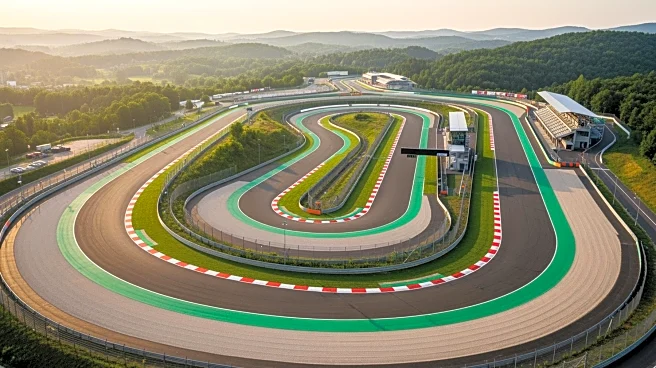
The most transformative redesign took place between 1990 and 1991, when the circuit was reconfigured to create a more technical track. This included the introduction of the Maggotts, Becketts, and Chapel complex, which became one of the most challenging sections of the circuit. These changes not only improved safety but also added to the circuit's reputation as a driver favorite.
Modern Developments and Future Prospects
In the 21st century, Silverstone has continued to evolve, with significant investments in infrastructure and facilities. In 2010, the circuit underwent another major redevelopment, introducing the Arena layout, which extended the track length and added new sections to enhance the racing experience. The following year, a new pit complex was completed, moving the start/finish line to between Club and Abbey corners.
These developments have ensured that Silverstone remains a world-class venue capable of hosting major international events, including the British Grand Prix and MotoGP. The circuit's commitment to modernization and safety has been crucial in securing its place on the Formula One calendar until at least 2034.
Looking ahead, Silverstone's future appears bright, with plans for further enhancements and a continued focus on sustainability and innovation. As the circuit approaches its centenary, it remains a symbol of British motorsport heritage and a testament to the enduring appeal of racing at Silverstone.