






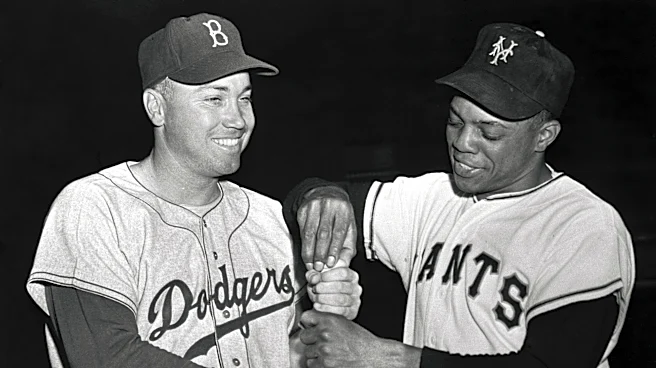
Happy Chandler served as the second Commissioner of Baseball from 1945 to 1951, a period marked by significant changes in the sport. Known for his decisive actions and willingness to challenge the status quo, Chandler's tenure was pivotal in shaping modern baseball. His most notable contribution was the integration of Major League Baseball, a move that forever altered the landscape of the game.
Integrating Major League Baseball
One of Chandler's most significant actions as Commissioner
was his approval of Jackie Robinson's contract with the Brooklyn Dodgers. This decision effectively broke the color barrier in Major League Baseball, allowing African American players to participate in the league. Chandler's support for integration was not without controversy, as many team owners were opposed to the idea. However, Chandler believed in equality and fairness, famously stating that he wanted to face his Maker with a clear conscience, knowing he had done the right thing.
Chandler's decision to support Robinson was a turning point in baseball history. It opened the doors for other African American players to join the league, enriching the sport with diverse talent. This move also had a broader social impact, contributing to the civil rights movement by challenging racial segregation in one of America's most beloved pastimes.
Establishing the Players' Pension Fund
In addition to integrating the league, Chandler was instrumental in establishing the first pension fund for Major League players. This initiative earned him the title of "the players' commissioner," as it demonstrated his commitment to the welfare of the athletes. The pension fund provided financial security for players after their retirement, a significant improvement in their working conditions.
Chandler's efforts to support players' rights and well-being were groundbreaking at the time. By prioritizing the needs of the athletes, he set a precedent for future commissioners to follow. His actions helped to professionalize the sport, ensuring that players were treated with respect and dignity.
Challenges and Controversies
Despite his achievements, Chandler's tenure was not without challenges. His governance style upset many baseball owners, leading to the non-renewal of his contract in 1951. Owners were particularly displeased with his independent decision-making and his willingness to stand up to them on issues like integration and player rights.
Chandler's departure marked the end of a transformative era in baseball. While his tenure was relatively short, his impact on the sport was profound. He left a legacy of progress and change, paving the way for a more inclusive and equitable game. Chandler's contributions to baseball continue to be celebrated, and his induction into the Baseball Hall of Fame in 1982 is a testament to his enduring influence on the sport.