





The football rivalry between Germany and the Netherlands is marked by a series of significant matches that have defined the relationship between these two footballing nations. From the 1974 World Cup final to recent UEFA Nations League encounters, each match has added a new chapter to this storied rivalry.
The 1974 World Cup Final
The rivalry between Germany and the Netherlands truly began with the 1974 FIFA World Cup final. Held in Munich, this match was the first competitive
meeting between the two teams since World War II. The Dutch team, known for their "Total Football" style, were the favorites, but it was West Germany who emerged victorious with a 2–1 win. This defeat was a national trauma for the Netherlands, often referred to as "De moeder aller nederlagen" or "The mother of all defeats."
The match was not just a sporting event but a cultural moment, reflecting the historical tensions between the two nations. The loss left a lasting impact on Dutch football and fueled the rivalry for years to come.
The 1988 UEFA European Championship
A turning point in the rivalry came in 1988 when the Netherlands defeated Germany in the UEFA European Championship semi-final. The match, held in Germany, was a moment of redemption for the Dutch, who went on to win the tournament. The victory was celebrated as a symbolic triumph over their historical rivals.
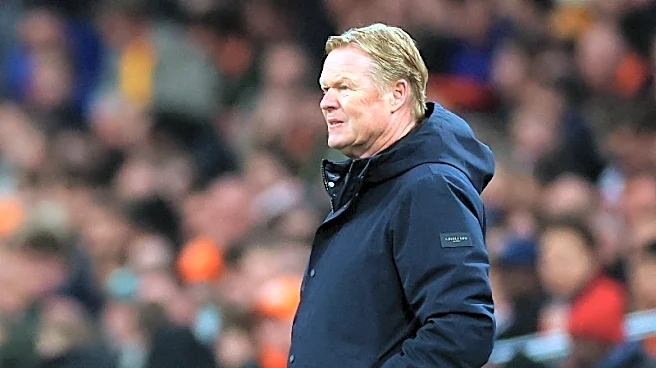
The match is also remembered for the actions of Dutch player Ronald Koeman, who mocked the Germans by pretending to wipe his backside with a German player's jersey. This incident added to the intensity of the rivalry and highlighted the deep emotions involved.
Recent Encounters
In recent years, the rivalry has continued with matches in the UEFA Nations League and UEFA Euro qualifiers. In the 2018–19 Nations League, the Netherlands secured a 3–0 victory over Germany, showcasing their resurgence in international football. The return match ended in a 2–2 draw, with the Netherlands securing the group win.
These recent encounters have been characterized by a more sportsmanlike conduct, although the competitive edge remains. The matches continue to draw significant attention and are often seen as highlights in international football tournaments.
The Germany–Netherlands football rivalry is defined by these key matches, each contributing to the rich history and ongoing narrative. As the rivalry evolves, it remains a compelling story in the world of football, showcasing the power of the sport to transcend the game itself and become a part of cultural history.