


Robert F. Kennedy Memorial Stadium, known as RFK Stadium, has been more than just a sports venue in Washington, D.C. Since its opening in 1961, the stadium has played a significant role in social and cultural movements, reflecting the changing dynamics of American society. From civil rights protests to its diverse range of events, RFK Stadium has been a symbol of progress and change.
Civil Rights and Integration
In the early 1960s, RFK Stadium became a focal point for civil rights
activism. The Washington Redskins, who played at the stadium, were the last NFL team to integrate. Under pressure from the Kennedy administration, team owner George Preston Marshall was forced to sign African American players, marking a significant step towards racial integration in professional sports.
The stadium's opening game in 1961 was met with protests from civil rights groups, highlighting the ongoing struggle for equality. Signs carried by protesters read, "We carry the rifle. Why can't we carry the ball?" This moment underscored the broader civil rights movement and the push for desegregation in all areas of American life.
A Venue for Diverse Events
RFK Stadium's role extended beyond sports, hosting a variety of events that reflected the cultural shifts of the time. It was a venue for concerts by iconic artists like the Beatles and the Rolling Stones, drawing diverse crowds and showcasing the power of music to bring people together.
The stadium also hosted significant international events, such as the 1994 FIFA World Cup and the 1996 Olympic soccer matches. These events highlighted the growing global influence of sports and the ability of venues like RFK to serve as platforms for international cultural exchange.
The Legacy of RFK Stadium
As RFK Stadium closed in 2019, its legacy as a symbol of change and progress remains. The stadium's history is intertwined with the social and cultural movements that have shaped the United States over the past several decades. Its role in promoting integration and hosting diverse events has left a lasting impact on Washington, D.C., and beyond.
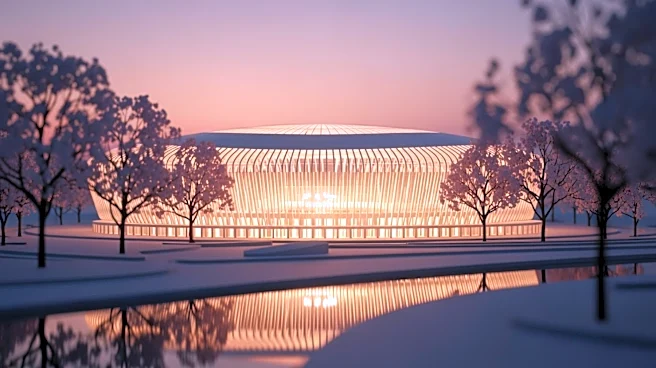
The planned New Commanders Stadium aims to continue this legacy, serving as a modern venue for sports and entertainment while honoring the history of RFK Stadium. As the city looks to the future, the memories and milestones associated with RFK will continue to inspire and remind us of the power of sports and culture to drive social change.