




Montana, known for its vast landscapes and natural beauty, is a state that offers a rich tapestry of geographic features. From towering mountain ranges to expansive prairies, Montana's geography is as diverse as it is breathtaking. This article delves into the state's unique topography, its major watersheds, and the natural resources that define its landscape.
Mountain Ranges and Valleys
Montana is home to over a hundred named mountain ranges, primarily located in the western
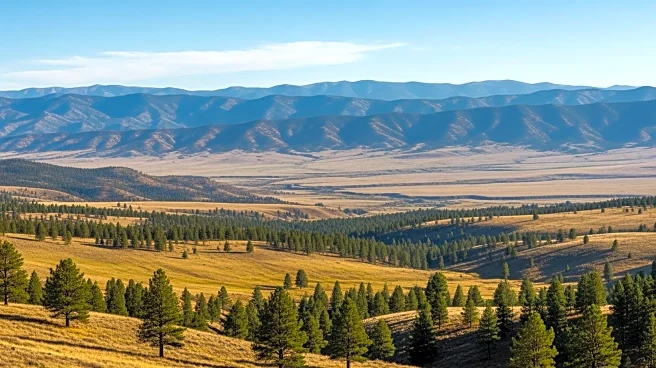
half of the state. These ranges are part of the northern Rocky Mountains, with notable ones including the Bitterroot Mountains, the Absaroka Range, and the Beartooth Mountains. The Bitterroot Mountains, one of the longest continuous ranges in the Rocky Mountain chain, serve as a natural divide between Montana and Idaho. The state's highest point, Granite Peak, is found in the Beartooth Mountains, standing at 12,799 feet.
Between these majestic ranges lie several fertile river valleys, such as the Gallatin Valley and the Bitterroot Valley. These valleys are not only agriculturally rich but also offer numerous opportunities for tourism and recreation. The combination of mountains and valleys creates a stunning landscape that attracts visitors from around the world.
The Northern Plains and Badlands
East of the Continental Divide, Montana's landscape transitions into the expansive Northern Plains. This area is characterized by tableland prairies, smaller island mountain ranges, and striking badlands. The Missouri Breaks, located in the north-central part of the state, are known for their significant rock formations and rugged terrain.
The isolated island ranges, such as the Bear Paw Mountains and the Crazy Mountains, add to the diversity of the plains. These ranges were formed millions of years ago when magma from the Earth's interior cracked and bowed the surface. The badlands, found in areas like Makoshika State Park, offer some of the most scenic and unique landscapes in the state.
Rivers and Watersheds
Montana is unique in that its rivers contribute to three major watersheds: the Pacific Ocean, the Gulf of Mexico, and Hudson Bay. The Continental Divide plays a crucial role in this, with rivers west of the divide flowing into the Columbia River and eventually the Pacific Ocean. East of the divide, the Missouri River and its tributaries flow into the Gulf of Mexico.
The state's rivers are not only vital for their ecological significance but also for recreation and agriculture. With thousands of named rivers and creeks, Montana is renowned for its blue-ribbon trout fishing, attracting anglers from across the globe. The diverse watersheds and river systems are integral to Montana's natural beauty and ecological health.