






Lake Tahoe, renowned for its clear waters and stunning scenery, faces several environmental challenges that threaten its natural beauty and ecological health. As a popular tourist destination, the lake is subject to pressures from development, pollution, and climate change. This article examines the environmental issues facing Lake Tahoe and the efforts to preserve its unique ecosystem.
Pollution and Water Quality Concerns
Despite its pristine appearance, Lake Tahoe is becoming increasingly
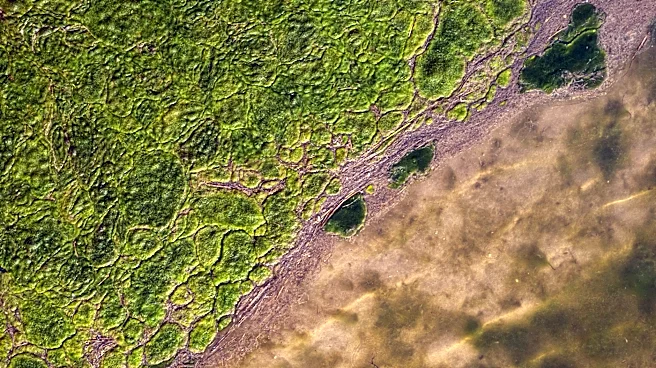
eutrophic, with primary productivity increasing annually. This is largely due to nutrient input from urban stormwater runoff, which constitutes a significant portion of the fine sediment particle load entering the lake. The clarity of Lake Tahoe has been decreasing, with suspended inorganic sediments and phytoplanktonic algae contributing to the reduction in visibility.
Efforts to address these issues include the development of programs to limit the flux of nutrients and fine sediment to the lake. The Lake Tahoe Interagency Monitoring Program (LTIMP) measures stream discharge and concentrations of nutrients and sediment in tributary streams, providing data to support science-based environmental planning.
Climate Change and Ecosystem Impact
Lake Tahoe's climate is characterized by warm, dry summers and cold, snowy winters. However, climate change poses a threat to this delicate balance, with warming temperatures potentially reducing the frequency of deep mixing in the lake. This could have significant effects on water clarity and nutrient cycling, further impacting the lake's ecosystem.
The introduction of non-native species, such as opossum shrimp and goldfish, has also altered the lake's food web and zooplankton populations. These changes, combined with the effects of climate change, present challenges for maintaining the ecological health of Lake Tahoe.
Conservation and Protection Efforts
Recognizing the need to protect Lake Tahoe, the U.S. Congress and the California and Nevada State Legislatures created the Tahoe Regional Planning Agency (TRPA) in 1969. This bi-state agency is charged with environmental protection through land-use regulation and planning. The TRPA works to balance development with conservation, ensuring that Lake Tahoe remains a viable and sustainable destination.
Grass-roots organizations, such as the League to Save Lake Tahoe, also play a crucial role in advocating for responsible use of the lake's resources. These groups work to raise awareness and promote conservation efforts, helping to preserve Lake Tahoe's natural beauty for future generations.
Lake Tahoe's environmental challenges require ongoing attention and action. Through collaborative efforts and a commitment to sustainability, it is possible to protect this iconic lake and ensure its continued health and vitality.