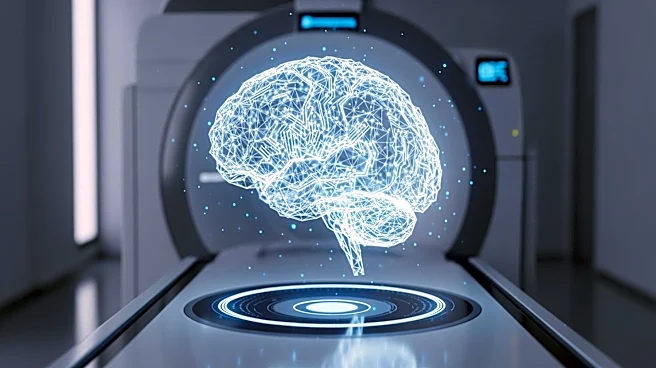






The gamma camera, invented by Hal Anger in 1957, stands as a monumental achievement in the field of nuclear medicine. This device transformed medical imaging by providing a non-invasive method to visualize the distribution of radioactive isotopes within the body. Anger's invention has had a profound impact on the diagnosis and treatment of various medical conditions, making it an indispensable tool in hospitals worldwide.
Development and Functionality
Hal Anger's development of
the gamma camera was driven by the need for better diagnostic tools in medicine. The camera works by detecting gamma rays emitted from radioactive isotopes that are introduced into the patient's body. These isotopes accumulate in specific organs or tissues, allowing the camera to capture detailed images of their distribution.
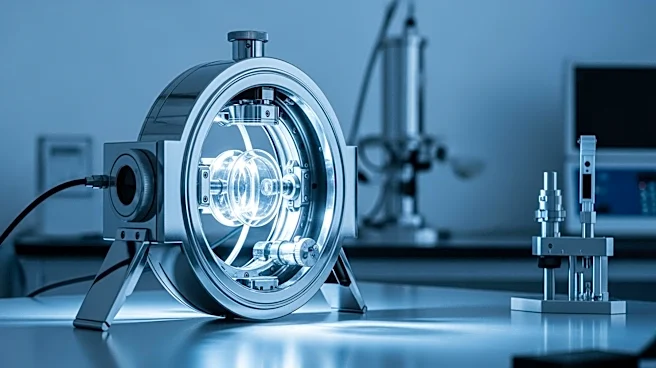
The gamma camera consists of a scintillation crystal that converts gamma rays into light, which is then detected by photomultiplier tubes. This process results in an image that reflects the concentration of the radioactive material, providing valuable information about the function and structure of organs. The ability to visualize these processes non-invasively marked a significant advancement in medical diagnostics.
Impact on Medical Diagnostics
The introduction of the gamma camera revolutionized the field of nuclear medicine. Prior to its invention, doctors had limited options for visualizing internal structures without invasive procedures. The gamma camera provided a safer and more efficient method for diagnosing conditions such as cancer, heart disease, and thyroid disorders.
Its ability to produce real-time images of physiological processes allowed for more accurate diagnoses and better monitoring of treatment progress. The gamma camera's impact on patient care was immediate, as it enabled earlier detection of diseases and improved treatment outcomes. Hospitals quickly adopted the technology, making it a standard tool in nuclear medicine departments.
Ongoing Influence and Advancements
The gamma camera's influence continues to be felt in modern medicine. Over the years, advancements in technology have led to improvements in image resolution and sensitivity, further enhancing its diagnostic capabilities. The principles behind Anger's original design remain integral to contemporary imaging devices, demonstrating the enduring relevance of his work.
Hal Anger's invention laid the groundwork for future innovations in medical imaging, including the development of PET and SPECT scans. These technologies have expanded the possibilities of nuclear medicine, allowing for even more precise and comprehensive examinations. Anger's gamma camera remains a testament to the power of innovation in improving healthcare and saving lives.