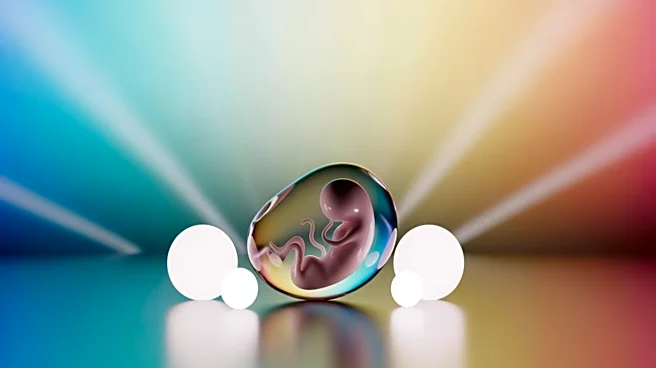






Prenatal development is a complex process influenced by a variety of factors that can affect the growth and health of the developing embryo and fetus. Understanding these factors is crucial for ensuring a healthy pregnancy and minimizing risks associated with prenatal development. From genetic influences to environmental exposures, several elements play a role in shaping the outcome of prenatal development.
Genetic Factors
Genetic factors are among the most significant
influences on prenatal development. The genetic material inherited from both parents determines many aspects of the developing embryo, including physical characteristics and susceptibility to certain diseases. Genetic abnormalities can lead to developmental issues, such as congenital malformations or genetic disorders.
During the early stages of development, the embryo is particularly vulnerable to genetic mistakes. Spontaneous abortions, or miscarriages, often occur due to major genetic abnormalities. As the embryo develops, the genetic blueprint guides the formation of organs and systems, ensuring that the fetus develops according to the inherited genetic code.
Environmental Influences
Environmental factors also play a crucial role in prenatal development. Exposure to toxins, such as alcohol, tobacco, and drugs, can have detrimental effects on the developing fetus. These substances can interfere with normal development, leading to issues such as low birth weight, premature birth, and congenital malformations.
Infections during pregnancy can also impact prenatal development. Viruses and bacteria can cross the placenta and affect the developing fetus, potentially leading to miscarriage, low birth weight, or physical malformations. Adequate prenatal care and avoiding harmful substances are essential for minimizing environmental risks during pregnancy.
Maternal Health and Nutrition
The health and nutrition of the mother are critical factors in prenatal development. Proper nutrition provides the necessary nutrients for the developing fetus, supporting growth and development. Deficiencies in essential nutrients, such as iron and iodine, can lead to complications, including low birth weight and developmental delays.
Maternal health conditions, such as high blood pressure or diabetes, can also affect prenatal development. These conditions may increase the risk of complications during pregnancy, impacting the growth and health of the fetus. Regular prenatal care and monitoring of maternal health are vital for ensuring a healthy pregnancy and minimizing risks associated with prenatal development.