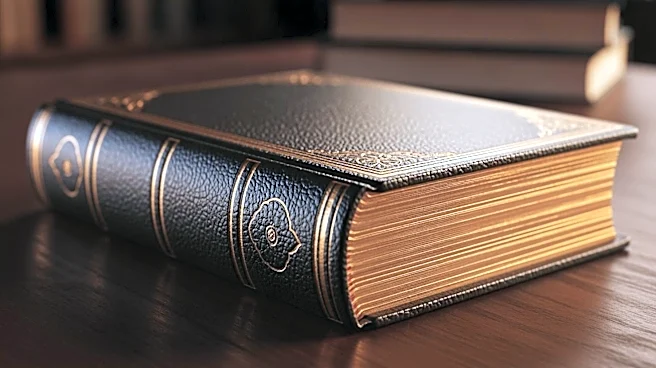







Hardcover books, known for their durability and aesthetic appeal, have a rich history that dates back to the 19th century. Initially, books were sold as unbound blocks, leaving the binding to the discretion of the owner. However, the advent of industrial book production brought about significant changes, leading to the widespread adoption of hardcover books. This article delves into the evolution of hardcover books, highlighting key developments and their impact
on the publishing industry.
The Rise of Industrial Book Production
In the mid-19th century, the industrial revolution brought about significant advancements in book production. Before this period, books were typically sold as unbound blocks, and it was up to the owner to have them bound. This process was not only costly but also time-consuming. The introduction of the Deckenband, or hardcover, revolutionized the industry by allowing publishers to bind books in advance. This development marked the beginning of the mass production of hardcover books, making them more accessible to the general public.
The mechanization of bookbinding processes played a crucial role in the proliferation of hardcover books. With the ability to produce large quantities of books at a lower cost, publishers could reach a wider audience. The Deckenband became the preferred binding style, offering a balance between durability and affordability. This shift not only changed the way books were produced but also how they were consumed, as more people could afford to purchase bound books.
The Transition to Modern Hardcover Books
As the 20th century progressed, hardcover books continued to evolve. The introduction of acid-free paper and artistic dust jackets enhanced the quality and appeal of hardcover editions. These improvements not only preserved the longevity of the books but also made them more visually appealing to consumers. The use of dust jackets became a popular trend, providing an additional layer of protection while also serving as a marketing tool with eye-catching designs.
In recent years, the concept of "jacketless" hardcover books has gained popularity. These editions forgo the traditional dust jacket in favor of printing the cover design directly onto the board binding. This approach offers a modern twist on the classic hardcover, appealing to readers who appreciate a more streamlined and contemporary look. Despite these changes, the core attributes of hardcover books—durability and quality—remain unchanged.
The Impact of Hardcover Books on Publishing
The evolution of hardcover books has had a profound impact on the publishing industry. Hardcover editions are often released first, serving as a gauge for a book's potential success. If a book performs well in hardcover, it is typically followed by a paperback edition. This strategy allows publishers to maximize profits by targeting different market segments.
Hardcover books are also associated with prestige and quality, often reserved for works by well-known authors or significant literary contributions. This perception has helped maintain their popularity despite the rise of digital formats. In academic circles, hardcover editions are often preferred for their durability and ability to withstand frequent use.
In conclusion, the evolution of hardcover books reflects broader changes in the publishing industry. From their origins in the 19th century to their modern iterations, hardcover books have remained a staple in the literary world, valued for their durability, quality, and aesthetic appeal.