
The offside rule in soccer, also known as association football, is one of the most debated and misunderstood aspects of the game. Codified in Law 11 of the Laws of the Game, the offside rule is crucial
in maintaining fairness and balance between attacking and defending teams. This rule prevents players from gaining an unfair advantage by positioning themselves closer to the opponent's goal than the ball and the second-last opponent. Understanding this rule is essential for players, coaches, and fans alike.
The Basics of the Offside Rule
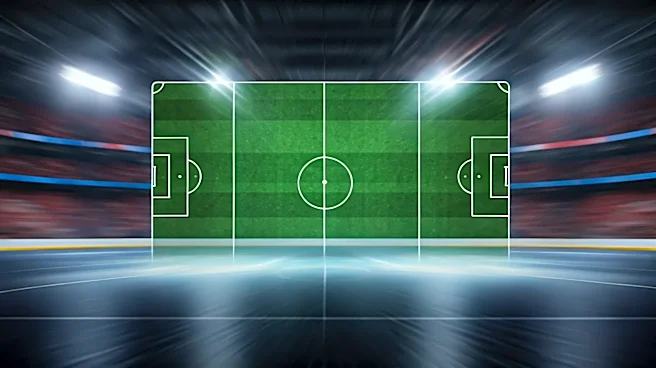
A player is considered to be in an offside position if any part of their body, except the hands and arms, is in the opponent's half of the pitch and closer to the opponent's goal line than both the ball and the second-last opponent. However, being in an offside position is not an offense in itself. The player must be involved in active play, such as receiving the ball from a teammate, interfering with an opponent, or gaining an advantage from their position, for an offside offense to be called.
The offside rule is judged at the moment the ball is last touched by a teammate. If a player is in an offside position at that moment and becomes involved in active play, the referee will stop the game and award an indirect free kick to the defending team. This rule ensures that players cannot simply wait near the opponent's goal for an easy scoring opportunity, thus promoting a more dynamic and strategic style of play.
The Role of Officials in Offside Decisions
Assistant referees play a crucial role in enforcing the offside rule. Positioned along the sidelines, they have a clear view of the field and can better judge whether a player is in an offside position. When an offside offense occurs, the assistant referee signals by raising a flag, and the referee then decides whether to stop play.
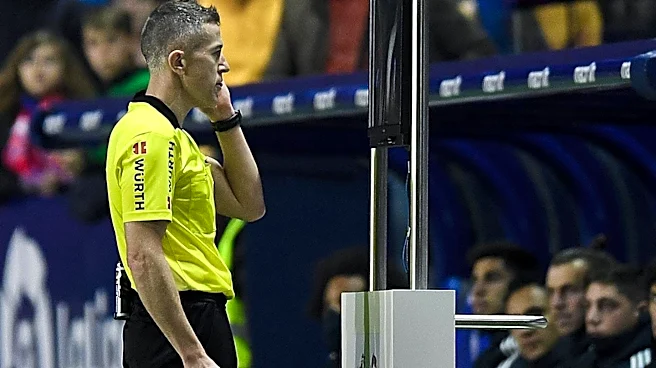
Officiating offside can be challenging, as it often involves split-second decisions and precise positioning. The introduction of technology, such as Video Assistant Referees (VAR) and Semi-Automated Offside Technology (SAOT), has helped officials make more accurate decisions. These technologies use high-speed cameras and virtual replays to determine player positions at the moment the ball is played.
The Impact of the Offside Rule on the Game
The offside rule significantly influences the tactics and strategies employed by teams. It encourages defenders to maintain a high line, pushing attackers away from the goal and creating opportunities for counter-attacks. For attackers, timing runs and passes to avoid being caught offside is a critical skill.
The rule also adds an element of suspense and excitement to the game, as fans eagerly watch to see if a goal will be disallowed due to an offside call. While it can be a source of controversy, the offside rule is essential in ensuring a fair and competitive game, balancing the interests of both attacking and defending teams.