





The Zingiberaceae family, widely known as the ginger family, is celebrated not only for its botanical diversity but also for its significant contributions to culinary and medicinal practices worldwide. This article explores the various uses of Zingiberaceae plants in cooking and traditional medicine, highlighting their importance in different cultures.
Culinary Applications
The Zingiberaceae family includes several plants that are integral to global cuisines. The most famous
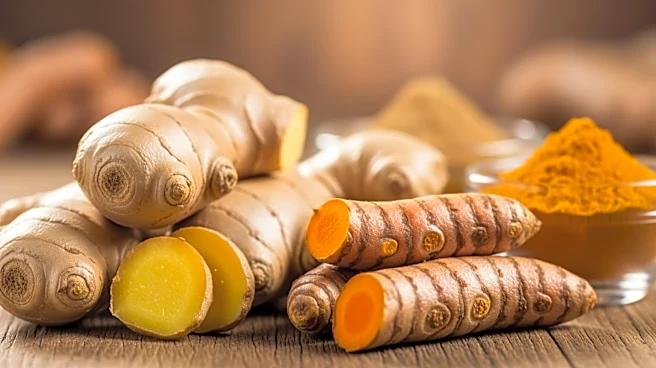
among them is ginger (Zingiber officinale), whose rhizome is used as a spice in numerous dishes. Ginger can be used fresh, dried, powdered, or even candied, known as crystallized ginger. It adds a distinctive flavor and aroma to both savory and sweet dishes.
Other notable culinary members of the family include turmeric (Curcuma longa), which is prized for its vibrant color and earthy flavor, and cardamom (Amomum and Elettaria species), known for its aromatic seeds used in both sweet and savory recipes. Thai ginger (Alpinia galanga) and myoga (Zingiber mioga) are also popular in Asian cuisines, each offering unique flavors and culinary uses.
Medicinal Properties
Beyond their culinary appeal, plants in the Zingiberaceae family have been used for their medicinal properties for centuries. Ginger, in particular, is renowned for its antioxidant and anti-inflammatory effects. It is commonly used to alleviate nausea, improve digestion, and reduce muscle pain and soreness.
Turmeric, another member of the family, contains curcuminoids, which are bioactive compounds with potent anti-inflammatory and antimicrobial properties. These compounds have been studied for their potential benefits in managing conditions such as arthritis and metabolic syndrome. The therapeutic effects of these plants have made them staples in traditional medicine systems like Ayurveda and Traditional Chinese Medicine.
Cultural Significance
The Zingiberaceae family holds cultural significance in many regions where these plants are native. In India, for example, turmeric is not only a culinary spice but also a symbol of prosperity and is used in various religious and cultural ceremonies. In Thailand, ginger and other Zingiberaceae plants are integral to traditional dishes and are also used in herbal remedies.
The widespread use of Zingiberaceae plants in food, medicine, and cultural practices underscores their importance across different societies. As these plants continue to be studied for their health benefits, their role in both traditional and modern applications is likely to expand, further cementing their place in global culture.