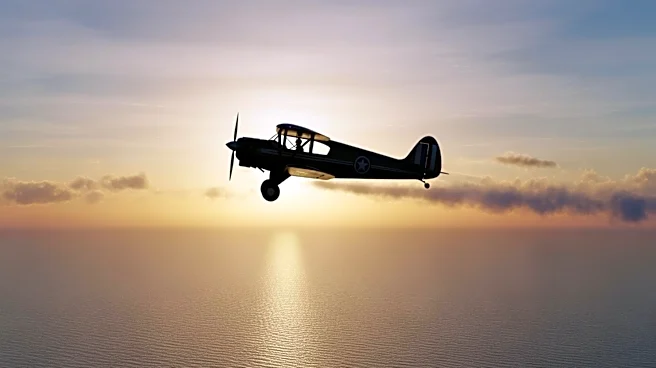







Charles Lindbergh's 1927 solo transatlantic flight from New York to Paris is one of the most celebrated achievements in aviation history. In his autobiography, 'The Spirit of St. Louis,' Lindbergh provides a detailed account of this monumental journey. This article explores the challenges and triumphs of Lindbergh's flight, as described in his own words.
Preparing for the Flight
Lindbergh's journey began long before he took off from Roosevelt Field in Long Island, New York.
The first section of his book, 'The Craft,' details the meticulous planning and preparation that went into the flight. Lindbergh faced numerous challenges, including securing financial backing and designing an aircraft capable of carrying enough fuel for the journey.
The Spirit of St. Louis, a custom-built, single-engine monoplane, was the result of these efforts. Lindbergh worked closely with Ryan Airlines to construct the aircraft, ensuring it met the specific requirements for the transatlantic flight. The pressure was immense, as other pilots were also racing to achieve the first solo transatlantic flight and win the $25,000 Orteig Prize.
The Flight Itself
The second section of the book, 'New York to Paris,' provides an hour-by-hour account of Lindbergh's 33-hour solo flight. Lindbergh describes the numerous challenges he faced, including navigation difficulties, storms, and the constant battle against fatigue. The flight covered over 3,600 miles, taking Lindbergh over the Atlantic and northern Europe.
Throughout the journey, Lindbergh interjects flashbacks of his childhood and early aviation experiences, providing readers with a deeper understanding of the man behind the flight. These memories serve as a source of inspiration and motivation as he navigates the long, solitary night toward Europe.
Reaching Paris
The climax of Lindbergh's journey comes as he spots the first fishing boats off the coast of Ireland and crosses into France. Following the Seine River, he finally reaches Le Bourget Field in Paris, where he is met with a hero's welcome. The successful completion of the flight not only secured Lindbergh's place in history but also marked a significant milestone in the advancement of aviation.
Lindbergh's detailed account of his flight in 'The Spirit of St. Louis' offers readers a firsthand look at the challenges and triumphs of this historic journey. His ability to convey the excitement and tension of the flight has ensured that his story remains a classic of adventure writing, inspiring generations of aviators and adventurers alike.