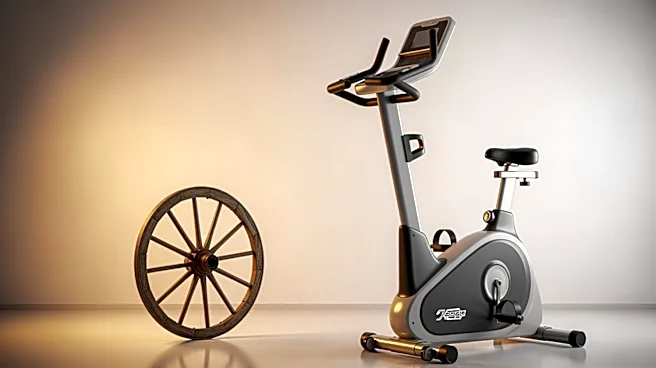




Stationary bicycles, commonly known as exercise bikes, have a rich history that dates back to the late eighteenth century. These devices have evolved significantly over time, transforming from simple contraptions to sophisticated machines that are integral to fitness routines worldwide. This article delves into the historical progression of stationary bicycles, highlighting key developments and innovations that have shaped their current form.
Early Beginnings: The Gymnasticon
The concept
of stationary cycling began with the Gymnasticon, an early example of exercise equipment designed for indoor use. This device was introduced at the end of the eighteenth century, marking the inception of stationary bicycles. The Gymnasticon was a rudimentary machine, yet it laid the groundwork for future innovations in indoor cycling equipment. Its design was simple, focusing on providing a means for physical exercise without the need for outdoor cycling.
As technology advanced, the stationary bicycle underwent several transformations. The initial designs were adapted from ordinary bicycles, which were placed on rollers or trainers to facilitate indoor cycling. These adaptations were particularly popular among racing cyclists who used them for warming up before races or for training indoors. The evolution from the Gymnasticon to these more practical designs marked a significant milestone in the development of stationary bicycles.
Technological Advancements and Modern Designs
The twentieth century saw substantial advancements in the design and functionality of stationary bicycles. Modern exercise bikes are equipped with features that enhance the cycling experience, such as resistance mechanisms and ergonomic designs. Resistance can be applied through magnets, fans, or friction mechanisms, allowing users to adjust the intensity of their workouts. Some models even enable backward pedaling to exercise different muscle groups.
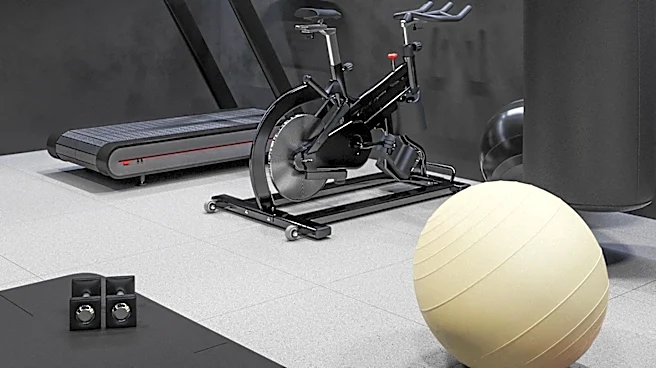
The introduction of specialized indoor bicycles, such as spinning bikes, further revolutionized the industry. These bikes are designed with weighted flywheels at the front, simulating the inertia and momentum of outdoor cycling. This innovation has made indoor cycling more realistic and engaging, attracting a wider audience to stationary biking.
The Role of Stationary Bicycles in Fitness and Rehabilitation
Stationary bicycles have become a staple in fitness centers and home gyms, offering a low-impact, cardiovascular workout that is safe and effective. They are widely used for general fitness, weight loss, and training for cycling events. Additionally, exercise bikes play a crucial role in physical therapy and cardiac rehabilitation programs, helping individuals recover from heart-related conditions or surgeries.
The controlled and adjustable nature of stationary biking makes it an ideal choice for gradually improving cardiovascular health. Despite their benefits, extended use of stationary bikes has been linked to decreased sexual function, highlighting the importance of balanced exercise routines.
Overall, the evolution of stationary bicycles reflects the broader trends in fitness and health, showcasing how innovation can enhance exercise experiences and contribute to overall well-being.