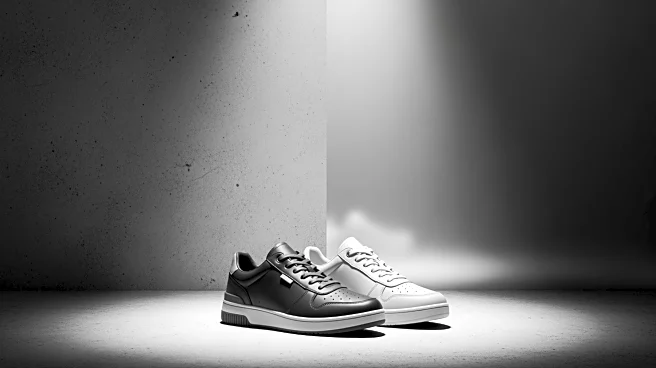




Streetwear has undergone a remarkable transformation since its inception, evolving from a niche subculture into a dominant force in the fashion industry. This style of casual clothing, which gained global popularity in the 1990s, has its roots in the fusion of New York hip-hop fashion and Californian surf culture. Over the years, streetwear has incorporated elements from various other styles, including punk, skateboarding, and Japanese street fashion,
leading to its current status as a significant influence on high fashion.
Origins and Early Influences
Streetwear's origins can be traced back to the late 1970s and early 1980s, when it emerged from the vibrant cultures of New York City and Los Angeles. In New York, the hip-hop scene played a crucial role in shaping streetwear, with its emphasis on individuality and self-expression. Meanwhile, in Los Angeles, surf culture contributed to the laid-back, casual aesthetic that would become a hallmark of streetwear. Early streetwear also drew inspiration from the do-it-yourself ethos of punk and the bold styles of Japanese street fashion.
During this period, brands like Schott NYC, Dr. Martens, and Adidas became popular among streetwear enthusiasts. These brands, known for their durable and stylish designs, helped establish the foundation for streetwear's aesthetic. The influence of these early brands can still be seen in streetwear today, as they continue to inspire new generations of designers and consumers.
The Rise of Streetwear Brands
The 1990s marked a significant turning point for streetwear, as it began to gain mainstream recognition and commercial success. This era saw the rise of iconic streetwear brands like Stüssy, which played a pivotal role in popularizing the style. Stüssy, founded by surfboard designer Shawn Stussy, became known for its distinctive T-shirts and exclusive sales strategy, which created a sense of scarcity and desirability around its products.
As streetwear gained popularity, other brands followed suit, including Supreme, A Bathing Ape, and Billionaire Boys Club. These brands capitalized on the growing demand for streetwear by offering limited edition releases and collaborating with high-profile designers and celebrities. This approach not only increased the appeal of streetwear but also helped to elevate it to the status of high fashion.
Streetwear's Influence on High Fashion
In the 21st century, streetwear has become a significant influence on high fashion, with luxury brands incorporating streetwear elements into their collections. This intersection of streetwear and high fashion has led to collaborations between streetwear brands and luxury fashion houses, such as Supreme x Louis Vuitton and Fila x Fendi. These collaborations have further blurred the lines between streetwear and high fashion, making streetwear a staple in the wardrobes of fashion-forward individuals worldwide.
Today, streetwear continues to evolve, driven by its roots in subculture and its ongoing influence on the fashion industry. As it adapts to new trends and cultural shifts, streetwear remains a powerful force, shaping the way people dress and express themselves across the globe.