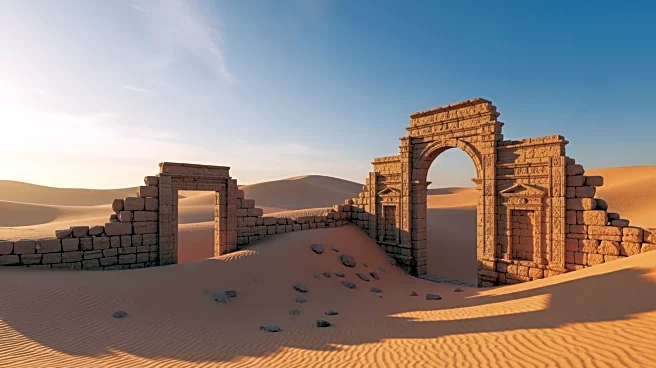




Algeria is home to seven UNESCO World Heritage Sites, each offering a unique glimpse into the country's rich history and cultural heritage. These sites, ranging from ancient ruins to stunning mosques, are a testament to Algeria's diverse past and its significance in the world.
The Casbah of Algiers: A Historical Gem
The Casbah of Algiers is one of Algeria's most iconic World Heritage Sites. This historic quarter, with its narrow streets and traditional architecture, offers a fascinating
insight into the country's Ottoman and Andalusian influences. The Casbah is a living museum, showcasing the blend of cultures that have shaped Algeria over the centuries.
Visitors to the Casbah can explore its many landmarks, including the Ketchaoua Mosque, which dates back to the 17th century. This mosque is noted for its unique fusion of Moorish and Byzantine architecture, reflecting the diverse cultural influences that have left their mark on Algeria. The Casbah's rich history and architectural beauty make it a must-visit destination for anyone interested in Algeria's past.
Ancient Ruins: Timgad and Tassili n'Ajjer
Algeria's World Heritage Sites also include ancient ruins that offer a glimpse into the country's Roman and prehistoric history. Timgad, a Roman city in the Aurès Mountains, is known as the "Pompeii of Africa" for its well-preserved ruins. Visitors can marvel at the city's impressive architecture, including its forum, temples, and houses.
Tassili n'Ajjer, located in the Sahara desert, is another remarkable site. This area is famous for its prehistoric rock art, which provides valuable insights into the lives of early inhabitants. The rock carvings depict scenes of daily life, hunting, and religious rituals, offering a unique window into Algeria's ancient past.
Religious Heritage: Mosques and Basilicas
Algeria's World Heritage Sites also include several religious landmarks that highlight the country's diverse spiritual heritage. The Djamaâ El Djazaïr, or Great Mosque of Algeria, is the largest mosque in Africa and the third largest in the world. Its impressive architecture and cultural significance make it a key attraction for visitors.
The Notre-Dame d'Afrique, a Roman Catholic basilica in Algiers, is another notable site. This basilica, with its Neo-Byzantine style, reflects the influence of French colonial rule in Algeria. The basilica's unusual floor plan and stunning views of the Mediterranean make it a popular destination for tourists.
Algeria's World Heritage Sites offer a rich tapestry of history and culture, showcasing the country's diverse influences and significant past. Whether exploring ancient ruins or admiring stunning mosques, visitors to Algeria will find themselves immersed in a journey through history.