
Social cognition has evolved significantly over time, becoming a central focus within psychology. It examines how individuals process, store, and apply information about others and social situations. This
field has grown alongside cognitive psychology, emphasizing the role of cognitive processes in social interactions.
Historical Development
Social cognition gained prominence with the rise of cognitive psychology in the late 1960s and early 1970s. It became the dominant model in mainstream social psychology, integrating themes, theories, and paradigms from cognitive psychology. This integration allowed for a deeper understanding of reasoning, attention, and memory in social contexts. Historically, social psychology has always had a cognitive approach, discussing internal mental states like beliefs and desires even when behaviorism dominated mainstream psychology.
The development of social cognition theories has led to the exploration of various social abilities disrupted in conditions like autism, schizophrenia, and psychopathy. Researchers have investigated the biological basis of social cognition, contributing to the understanding of how cognitive processes influence social behavior.
Biological Basis
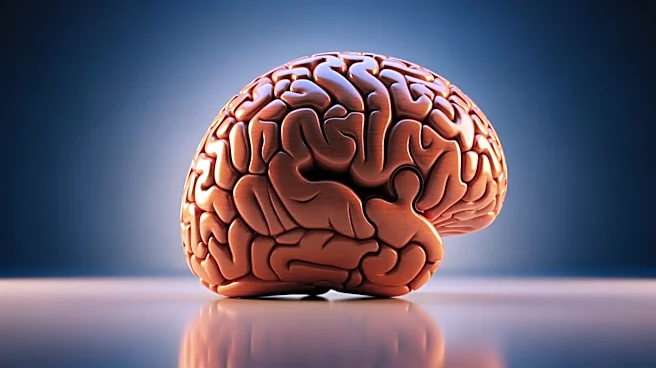
The biological basis of social cognition is a key area of study within cognitive neuroscience. The evolution of the human brain, particularly the expansion of the prefrontal cortex, is closely tied to the development of social cognition. This region is involved in higher-level cognitive processes such as decision-making and social behavior, reflecting the increased importance of social cognition in human evolution.
Research has shown that the fusiform gyrus, a region of the brain involved in face processing, is particularly sensitive to perceiving faces in non-face objects. This ability to detect and recognize faces, even in inanimate objects, is thought to be an evolutionary adaptation that helps humans quickly identify potential threats and allies.
Developmental Aspects
Developmental psychologists study how social cognition abilities develop from early life stages. According to cognitive sciences, the development of the human ability to process, store, and apply information about others begins in social learning at the onset of life. Very young organisms cognize social situations through interactions with caregivers, even when their knowledge is developing yet limited.
Professor Michael Tomasello introduced the concept of shared intentionality to explain cognition beginning in early developmental stages through unaware collaboration in mother-child dyads. This collaborative interaction is observed from different perspectives, including psychophysiology and neurobiology, contributing to the understanding of social cognition development.
The development of social cognition abilities continues from the prenatal period, with insights into neurophysiological processes underlying the human ability to process, store, and apply information about others. This development is crucial for understanding how social cognition contributes to cognitive development in newborns and even embryos.