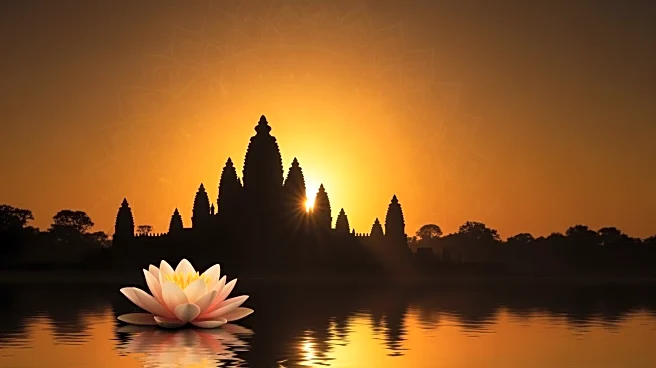







Hindu philosophy has profoundly influenced Indian culture, shaping its religious practices, social structures, and artistic expressions. The six orthodox schools of Hindu philosophy—Samkhya, Yoga, Nyaya, Vaisheshika, Mimamsa, and Vedanta—have contributed to the development of a rich cultural heritage that continues to thrive in modern India. This article explores the impact of Hindu philosophy on various aspects of Indian culture.
Religious Practices and Rituals
Hindu philosophy
has played a crucial role in shaping religious practices and rituals in India. The Mimamsa school, with its emphasis on Vedic rituals, has significantly influenced Hindu religious ceremonies. It upholds the importance of performing rituals as a means to fulfill one's dharma (duty) and achieve spiritual goals.
Vedanta, particularly the Advaita Vedanta tradition, has also left a lasting impact on Indian spirituality. Its teachings on the non-duality of atman (self) and Brahman (ultimate reality) have inspired countless seekers to pursue self-realization and spiritual enlightenment. This philosophical perspective has permeated various religious practices, encouraging individuals to seek a deeper understanding of their spiritual nature.
Social Structures and Ethics
Hindu philosophy has also shaped the social structures and ethical frameworks of Indian society. The concept of dharma, central to many schools of Hindu thought, emphasizes the importance of fulfilling one's duties and responsibilities. This principle has influenced the development of social norms and ethical guidelines, promoting harmony and order within communities.
The Nyaya school, with its focus on logic and reasoning, has contributed to the development of a rational approach to ethics and decision-making. Its emphasis on critical thinking and debate has encouraged individuals to engage in thoughtful discussions on moral and ethical issues, fostering a culture of intellectual inquiry and dialogue.
Artistic Expressions and Cultural Heritage
The influence of Hindu philosophy extends to the realm of art and culture, inspiring a wide range of artistic expressions. The themes of spirituality, self-realization, and the nature of reality, central to many schools of Hindu thought, have been depicted in various forms of art, including painting, sculpture, and dance.
The rich philosophical heritage of Hinduism has also inspired Indian classical music and dance forms, such as Bharatanatyam and Kathak. These art forms often incorporate themes from Hindu mythology and philosophy, creating a vibrant cultural tapestry that reflects the depth and diversity of Indian thought.
Hindu philosophy has left an indelible mark on Indian culture, influencing its religious practices, social structures, and artistic expressions. This enduring legacy continues to shape the cultural landscape of India, enriching the lives of its people and inspiring future generations.