

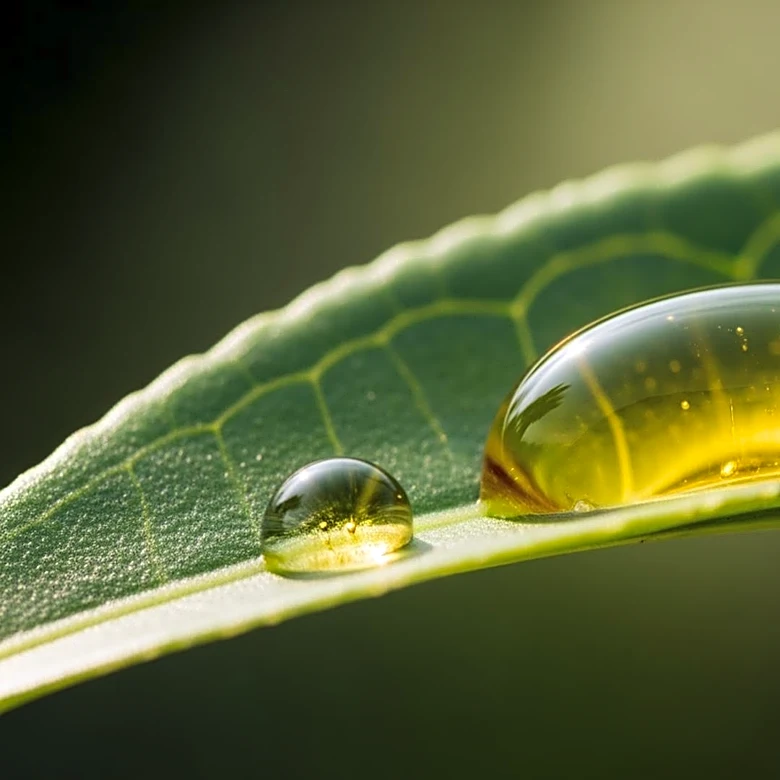




Tea tree oil, also known as melaleuca oil, has a rich history that dates back to the early 20th century. Derived from the leaves of the Melaleuca alternifolia, a plant native to Australia, this essential oil is known for its fresh, camphoraceous odor and its range of uses. The journey of tea tree oil from a local remedy to a globally recognized product is a fascinating tale of discovery and commercial development.
Early Discovery and Extraction
The story of tea tree oil begins in the
1920s when Arthur Penfold, an Australian entrepreneur, first explored the commercial potential of native Australian oils. Penfold's research highlighted the antiseptic properties of tea tree oil, which set the stage for its commercial extraction and use. Initially, the oil was extracted from the leaves of the Melaleuca alternifolia, a species that remains the most important for tea tree oil production today.
In the 1970s and 1980s, the commercial production of tea tree oil expanded significantly. Plantations were established in New South Wales, Australia, to meet the growing demand. This period marked a significant turning point as the industry began to produce large quantities of the oil, making it more widely available for various applications.
Expansion and Global Reach
As the demand for tea tree oil grew, the industry expanded beyond Australia. Other species of Melaleuca were cultivated in different parts of the world, including Tunisia, Egypt, Malaysia, Vietnam, and the United States. Each region contributed to the global supply of tea tree oil, although Melaleuca alternifolia remained the primary source.
The expansion of tea tree oil production to other countries was driven by its increasing popularity as a natural remedy. Despite its widespread use, tea tree oil is not patented or approved as a drug in the United States. However, it is recognized as a complementary medicine for aromatherapy in Australia, further cementing its place in the global market.
Modern Uses and Challenges
Today, tea tree oil is used in a variety of products, from skincare to aromatherapy. Its antimicrobial properties make it a popular choice for treating skin conditions, although scientific evidence supporting these claims is limited. Despite its benefits, tea tree oil poses certain risks, particularly if ingested, as it is highly toxic and can cause severe reactions.
The industry continues to face challenges, including the need for more research to validate the effectiveness of tea tree oil for various uses. Additionally, the nonproprietary nature of the oil limits corporate interest in its development. Nonetheless, tea tree oil remains a staple in natural health and wellness, with a history that reflects its enduring appeal and versatility.