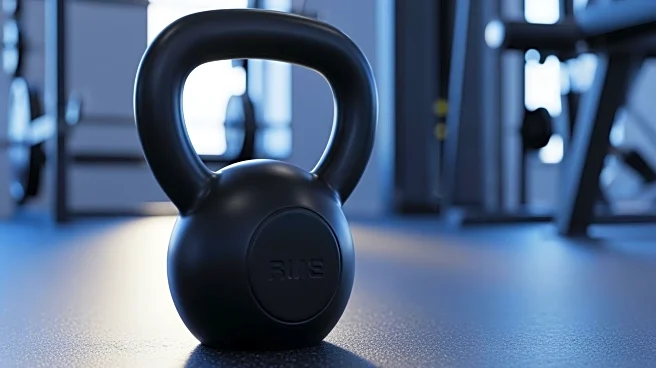




Kettlebell training is renowned for its versatility and effectiveness in building strength, endurance, and mobility. The unique design of the kettlebell allows for a wide range of exercises that engage multiple muscle groups simultaneously. This article explores the different techniques and variations of kettlebell training, highlighting their benefits and applications.
Fundamental Techniques
The kettlebell swing is the cornerstone of kettlebell training, known for its ability
to train the posterior chain in a manner similar to broad jumping. The swing involves moving the kettlebell in a pendulum motion from between the knees to anywhere between eye level to fully overhead. This exercise can be performed with two hands or one hand, presenting a significant anti-twisting challenge.
Effective kettlebell swings require thrusting the hips, not bending too much at the knees, and sending the weight forwards. This technique engages the gluteal, abdominal, and latissimus muscles, providing a comprehensive workout. Variations of the swing include the Russian Swing, American Swing, and Sport Style Swing, each offering different benefits and challenges.
Advanced Variations
Beyond the basic swing, kettlebell training includes a variety of advanced exercises that target different muscle groups and enhance overall fitness. The Turkish get-up combines the lunge, bridge, and side plank in a slow, controlled movement, improving strength and stability. The clean and jerk, snatch, and deadlift are other popular exercises that utilize the kettlebell's unique design.
The kettlebell allows for swing movements and release moves with added safety, strengthening the grip, wrist, arm, and core. Exercises like the high pull, overhead press, and windmill further enhance mobility and stability, making kettlebell training a holistic approach to fitness.
Benefits and Applications
Kettlebell training offers numerous benefits, including increased power, muscular endurance, aerobic capacity, and anaerobic capacity. The exercises are designed to mimic real-world activities, making them practical and functional. Kettlebell workouts are partially aerobic, similar to high-intensity interval training, and can burn calories at a rate equivalent to running a 6-minute mile pace.
The versatility of kettlebell training makes it suitable for various fitness goals, from building strength and endurance to improving cardiovascular health. The exercises can be adapted to different skill levels, allowing for progression and continuous improvement. Whether performed in a gym, at home, or outdoors, kettlebell training provides a comprehensive workout that engages the entire body.
Kettlebell training's diverse techniques and variations make it a valuable addition to any fitness regimen. Its ability to build strength, improve mobility, and enhance endurance has solidified its place in modern fitness practices, offering a dynamic and effective approach to achieving health and wellness goals.