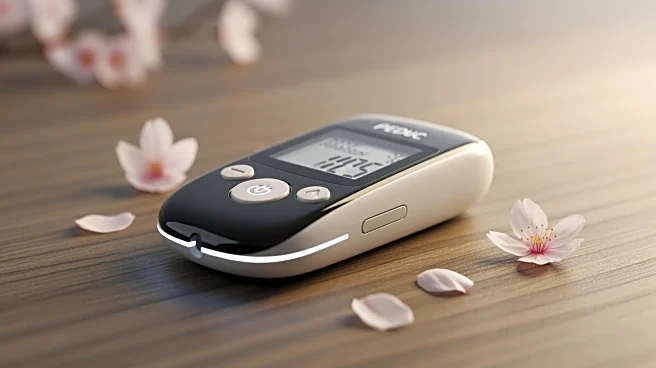

Pedometers have played a significant role in promoting physical activity in Japan, becoming a cultural phenomenon. This article explores the cultural significance of pedometers in Japan, highlighting their
impact on health and lifestyle.
The Introduction of Pedometers
In 1963, in the lead-up to the 1964 Tokyo Olympics, Iwao Ohya, a prominent figure in Tokyo's medical community, expressed concern about the low levels of physical activity in Japan. He proposed that walking 10,000 steps a day could be a solution to this issue. This idea led to the development of the manpokei, or "ten-thousand step-meter," by engineer Juri Kato.
The manpokei pedometer quickly gained popularity, sparking a cultural movement around walking and physical activity. The Japan 10,000-step Walking Association was established, organizing regular walks that could be measured with the Yamasa device. This movement encouraged individuals to adopt walking as a daily habit, promoting a healthier lifestyle.
Cultural Impact and Adoption
The impact of the manpokei pedometer was significant, leading to widespread adoption of the 10,000 steps per day goal. This target became a cultural benchmark for physical activity, embraced by the Japanese public. Walking and hiking organizations promoted the goal as a slogan, and pedometers became common household items.
The cultural influence of pedometers in Japan is evident in the widespread awareness of the 10,000 steps slogan. The Japanese Ministry of Health, Labour and Welfare also recommended this target, further solidifying its importance in promoting physical activity. Although the recommendation is not based on solid evidence, it reflects the cultural significance of pedometers in encouraging a healthy lifestyle.
Modern Integration and Influence
Today, pedometers are integrated into various consumer electronic devices, making it easier for individuals to track their physical activity. The cultural influence of pedometers in Japan has contributed to their popularity worldwide, as more people embrace the idea of tracking steps to improve their health.
The integration of pedometers into everyday devices has made it easier for individuals to monitor their physical activity and set fitness goals. This widespread availability has contributed to the popularity of pedometers as tools for promoting a healthy lifestyle.
Overall, pedometers have had a significant cultural impact in Japan, promoting physical activity and encouraging individuals to adopt healthier habits. As technology continues to advance, pedometers will likely play an even greater role in supporting fitness and wellness goals globally.