






The trial of Derek Chauvin marked a pivotal moment in U.S. legal history, drawing global attention to issues of racial injustice and police brutality. Held in the Hennepin County Government Center in Minneapolis, the trial was the first in Minnesota to be fully televised, allowing millions to witness the proceedings. The case revolved around the murder of George Floyd, a Black man, by Chauvin, a former Minneapolis police officer, during an arrest
in May 2020. This trial not only highlighted systemic issues within law enforcement but also set a precedent for future cases involving police misconduct.
The Trial Proceedings
The trial of Derek Chauvin began on March 8, 2021, and concluded on April 20, 2021. It was a highly publicized event, with over 23 million people tuning in to watch the verdict live. The trial was significant for being the first in Minnesota to be broadcast in its entirety, reflecting the public's intense interest in the case. The jury, composed of six White people and six people of color, found Chauvin guilty of unintentional second-degree murder, third-degree murder, and second-degree manslaughter. This verdict was historic as it marked the first time a White police officer in Minnesota was convicted of murdering a Black person.
The prosecution, led by Minnesota Assistant Attorney General Matthew Frank, presented a strong case against Chauvin. They argued that Chauvin's actions were a betrayal of his badge and that he used excessive force when he knelt on Floyd's neck for over nine minutes. The defense, on the other hand, claimed that Chauvin was following his training and that Floyd's death was due to underlying health conditions and drug use. Despite these arguments, the jury found Chauvin's actions to be unlawful and excessive.
Sentencing and Appeals
Following the guilty verdict, Derek Chauvin was sentenced to 22.5 years in prison for second-degree murder. This sentence was 10 years longer than the presumptive sentence under Minnesota's guidelines, reflecting the judge's consideration of Chauvin's abuse of power and the particular cruelty of his actions. The second-degree manslaughter and third-degree murder charges were not adjudicated, as they were lesser included offenses.
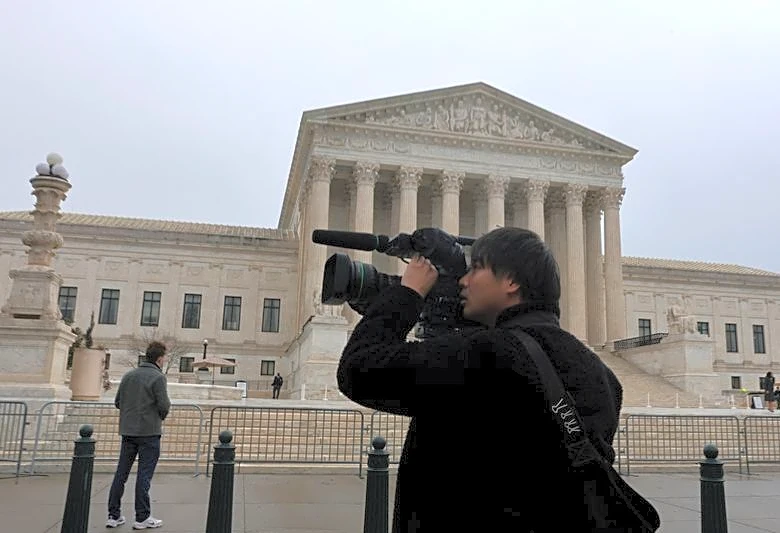
Chauvin appealed his conviction, arguing that the trial was unfair due to pre-trial publicity and the potential for civil unrest if he were acquitted. However, the Minnesota Supreme Court upheld the guilty verdict, and the United States Supreme Court declined to review the case. As a result, Chauvin is currently serving his sentence, with the earliest possibility of parole in 2035 or 2036.
Broader Implications
The trial of Derek Chauvin had far-reaching implications beyond the courtroom. It sparked widespread protests and demonstrations, both in the United States and around the world, calling for justice for George Floyd and broader police reform. The case also prompted discussions about systemic racism and the need for accountability within law enforcement. In response to the trial and its outcome, several legislative proposals were introduced at the federal, state, and municipal levels to address police misconduct and racial injustice.
The trial of Derek Chauvin will be remembered as a landmark case that not only brought justice for George Floyd but also highlighted the urgent need for change in the way law enforcement operates in the United States. It served as a catalyst for ongoing conversations about race, justice, and equality, and its impact will be felt for years to come.