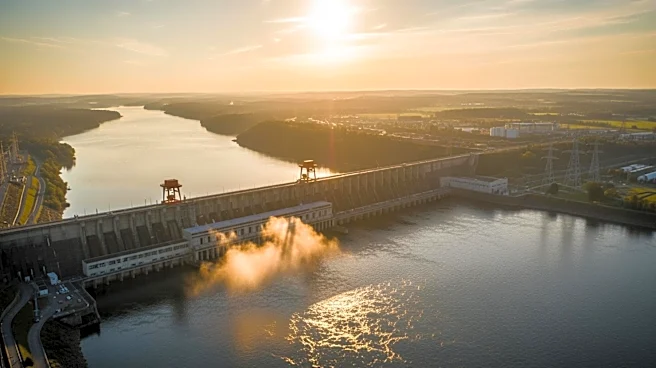







The Tennessee Valley Authority (TVA), established in 1933, has been a subject of controversy since its inception. While the agency has been praised for its role in modernizing the Tennessee Valley region, it has also faced criticism for its impact on local communities and the environment. These controversies highlight the challenges of balancing economic development with social and environmental concerns.
Displacement and Eminent Domain
One of the most significant controversies surrounding
the TVA is its use of eminent domain to acquire land for dam construction. The agency's projects required the relocation of thousands of families and the inundation of several communities, leading to opposition from local residents. Many were forced to leave their homes and land, often receiving compensation that was perceived as inadequate.
The displacement of residents for TVA projects sparked debates about the ethical implications of using eminent domain for government initiatives. Critics argued that the agency's actions disrupted communities and caused social upheaval, while supporters contended that the benefits of flood control and electricity generation justified the means. This controversy remains a point of contention in discussions about the TVA's legacy.
Environmental Impact and Species Preservation
The TVA's construction of dams and reservoirs also raised concerns about its environmental impact. The agency's projects altered natural landscapes and ecosystems, leading to the loss of habitats for various species. One of the most notable controversies involved the Tellico Dam project, which threatened the habitat of the endangered snail darter fish.
In 1978, the U.S. Supreme Court case Tennessee Valley Authority v. Hill brought national attention to the conflict between the TVA's development goals and environmental preservation. The court ruled in favor of protecting the snail darter, leading to amendments to the Endangered Species Act. This case highlighted the challenges of balancing economic development with environmental conservation and set a precedent for future legal battles over species preservation.
Balancing Development and Conservation
The controversies surrounding the TVA underscore the complexities of regional development projects. While the agency has contributed to economic growth and improved living conditions in the Tennessee Valley, its actions have also sparked debates about the social and environmental costs of such initiatives. The TVA's history serves as a reminder of the need to carefully consider the impacts of development on communities and ecosystems.
Today, the TVA continues to navigate these challenges as it pursues its mission of providing electricity and supporting economic development. The agency's efforts to integrate environmental conservation into its projects reflect an ongoing commitment to balancing development with stewardship. As the TVA moves forward, its legacy of controversy and achievement offers valuable lessons for future regional planning efforts.