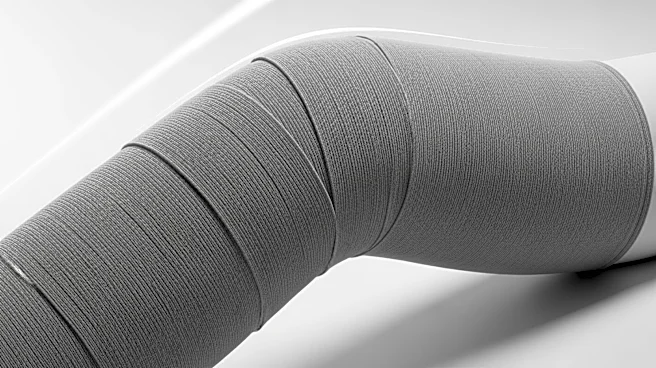

Compression garments are more than just tight-fitting clothing; they serve a significant role in medical applications. These garments are designed to provide support and improve circulation, making them
invaluable for individuals who stand for long periods or suffer from poor circulation. This article delves into the medical benefits of compression garments, highlighting their use in preventing deep vein thrombosis, aiding post-surgical recovery, and supporting maternity needs.
Preventing Deep Vein Thrombosis
One of the primary medical uses of compression garments is to prevent deep vein thrombosis (DVT), a condition where blood clots form in the deep veins of the legs. Compression garments, particularly those worn on the legs, help reduce the risk of DVT by improving blood flow and reducing swelling. This is especially beneficial for individuals who travel frequently or are bedridden, as these situations can increase the risk of blood clots.
Compression stockings and socks are specifically designed to address venous disorders by compressing the limb, which reduces the diameter of distended veins and increases blood flow velocity. This compression therapy decreases venous pressure and prevents venous stasis, ultimately reducing the risk of DVT and other related conditions.
Post-Surgical Recovery
Compression garments are also widely used in post-surgical recovery to aid the healing process. After certain surgeries, patients may be advised to wear compression garments to support the affected area and promote better circulation. This can help reduce swelling and improve the overall recovery time.
The use of compression garments post-surgery varies depending on the patient's needs and the type of surgery performed. Some patients may need to wear these garments for several months to ensure optimal healing. The garments provide consistent pressure, which can help minimize complications such as seroma and surgical site infections, particularly in open surgical techniques.
Maternity Support
Expectant mothers can also benefit from compression garments, specifically in the form of bellybands or abdominal binders. These garments provide support to the abdomen and back, making it easier for mothers to perform daily tasks and maintain proper posture.
Post-childbirth, these garments continue to offer support, helping new mothers manage the physical changes their bodies undergo. By providing consistent compression, these garments can alleviate discomfort and promote better posture, which is crucial during the postpartum period.
In conclusion, compression garments offer a range of medical benefits, from preventing serious conditions like DVT to aiding in post-surgical recovery and providing maternity support. Their ability to improve circulation and provide targeted support makes them a valuable tool in various medical contexts.