
John Deere, born in Rutland, Vermont, in 1804, is a name synonymous with agricultural innovation. His journey from a humble blacksmith to a pioneering inventor and businessman is a testament to his ingenuity
and determination. Deere's invention of the steel plow in 1837 revolutionized farming in the Midwest, making it possible to cultivate the tough prairie soil with ease. This article delves into the life and legacy of John Deere, highlighting his contributions to agriculture and his lasting impact on the industry.
Early Life and Career
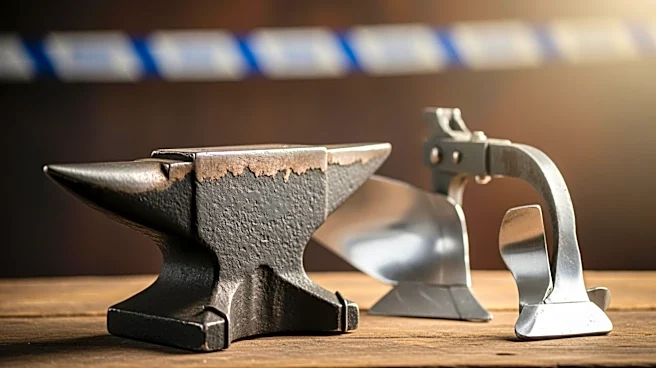
John Deere's early life in Vermont laid the foundation for his future success. Born into a family with a strong work ethic, Deere began his career as a blacksmith at the age of 17. He apprenticed with Captain Benjamin Lawrence, a successful blacksmith in Middlebury, Vermont. This apprenticeship provided Deere with the skills and knowledge necessary to excel in the trade. By 1826, Deere had established himself as a blacksmith, opening his own shop in Vermont.
Deere's move to Illinois in 1836 marked a turning point in his career. Facing economic challenges in Vermont, he relocated to Grand Detour, Illinois, where he quickly found work due to the scarcity of blacksmiths in the area. It was here that Deere's innovative spirit truly flourished. Observing the difficulties farmers faced with cast-iron plows in the sticky prairie soil, Deere set out to create a more effective solution.
The Invention of the Steel Plow
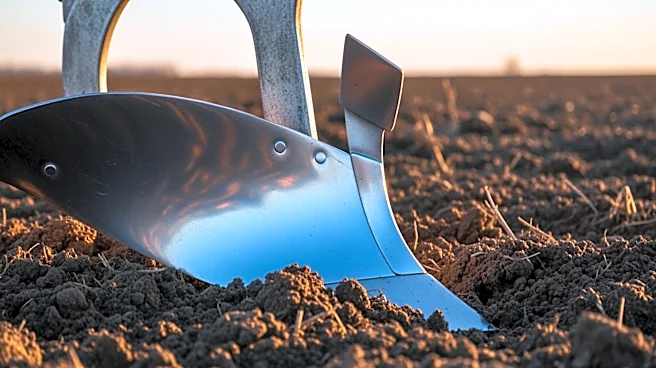
The invention of the steel plow in 1837 was a game-changer for agriculture in the Midwest. Deere's design featured a highly polished steel surface and a correctly shaped moldboard, which allowed the plow to cut through the tough prairie soil without sticking. This self-scouring plow was a significant improvement over the cast-iron plows that required frequent cleaning.
Deere's inspiration for the steel plow came from his experience polishing needles in his father's tailor shop. He realized that a polished steel surface could glide through soil just as easily as polished needles moved through fabric. By 1838, Deere had manufactured his first steel plow and sold it to a local farmer, Lewis Crandall. The success of this plow quickly spread, leading to increased demand and production.
Deere & Company and Lasting Impact
The success of the steel plow led to the establishment of Deere & Company, one of the largest agricultural equipment manufacturers in the world. By 1841, Deere was producing 75 to 100 plows annually, and by 1855, the company had sold over 10,000 plows. Deere's commitment to quality was evident in his insistence on using the best materials and craftsmanship.
John Deere's legacy extends beyond his inventions. He was actively involved in civil and political affairs, serving as the mayor of Moline, Illinois, and as president of the National Bank of Moline. Deere's contributions to agriculture and his community have left a lasting impact, making him a revered figure in American history.