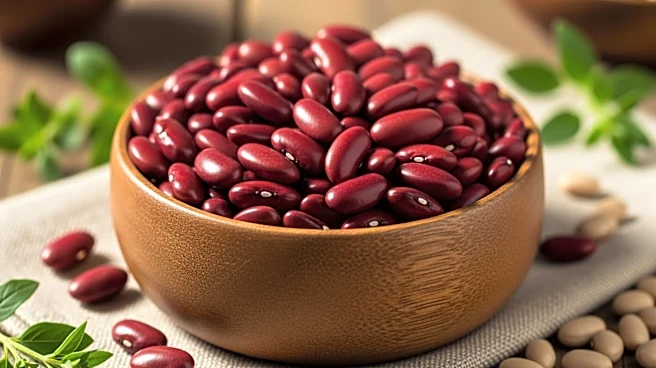






Kidney beans are not only a staple in many cuisines but also a nutritional powerhouse. These beans are packed with protein and fiber, making them an excellent addition to a balanced diet. Understanding the nutritional benefits of kidney beans can help individuals make informed choices about incorporating them into their meals.
Protein and Fiber Content
Kidney beans are a rich source of protein, providing essential amino acids that are crucial for building and repairing tissues
in the body. In a reference amount of 100 grams of cooked kidney beans, they contain approximately 9% protein. This makes them an excellent plant-based protein option for vegetarians and vegans.
In addition to protein, kidney beans are high in dietary fiber, which is important for maintaining digestive health. Fiber helps to regulate bowel movements and can prevent constipation. The high fiber content in kidney beans also contributes to a feeling of fullness, which can aid in weight management by reducing overall calorie intake.
Vitamins and Minerals
Kidney beans are not only rich in protein and fiber but also provide a variety of vitamins and minerals. They are a good source of folate, which is important for DNA synthesis and cell division. Folate is particularly crucial for pregnant women, as it helps prevent neural tube defects in developing fetuses.
These beans also contain significant amounts of copper, which plays a role in iron metabolism and the formation of connective tissue. Additionally, kidney beans provide moderate amounts of thiamine and several dietary minerals, including manganese and phosphorus, which are essential for various bodily functions.
Health Benefits
The nutritional profile of kidney beans offers several health benefits. The combination of protein and fiber can help stabilize blood sugar levels, making them a suitable food choice for individuals with diabetes. The fiber content also supports heart health by lowering cholesterol levels and reducing the risk of heart disease.
Moreover, the antioxidants present in kidney beans can help protect the body from oxidative stress and reduce inflammation. This contributes to overall health and may lower the risk of chronic diseases.
Incorporating kidney beans into a diet can provide numerous health benefits due to their rich nutritional content. Whether added to soups, stews, or salads, kidney beans offer a versatile and nutritious option for those looking to enhance their diet.