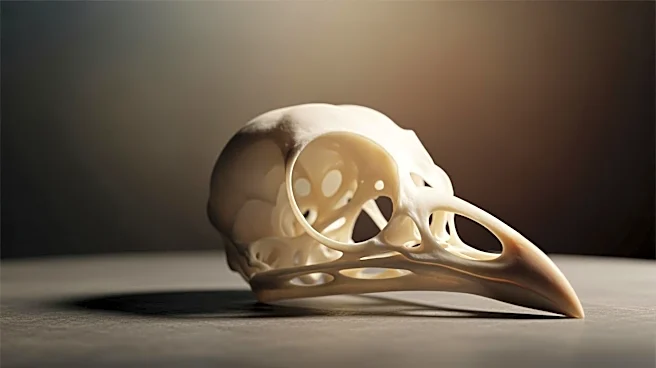







Chickens have long been a valuable model organism in scientific research, contributing significantly to our understanding of biology and disease. From embryology to cancer research, chickens offer unique advantages that have made them indispensable in various scientific fields. This article explores the historical and contemporary use of chickens in research, highlighting their contributions to science.
Historical Contributions
The use of chickens in scientific research dates
back to ancient times. As early as 1400 BCE, ancient Egyptians artificially incubated chicken eggs to ensure a steady food supply. The famous Greek philosopher Aristotle also studied chicken embryos, noting their development over time. His observations laid the groundwork for embryology, as he identified similarities between chicken and human development.
In the 16th century, European scientists used chickens to challenge the prevailing belief that organisms were preformed in their adult form. By observing tissue differentiation in chicken embryos, they demonstrated that specific structures arose from distinct tissue areas. This work significantly advanced our understanding of human physiology and development.
Modern Research Applications
Chickens continue to play a crucial role in modern scientific research. The chicken embryo, in particular, is a valuable model for studying cancer biology. The chorioallantoic membrane (CAM) of the chicken egg supports the growth and study of tumors, allowing researchers to investigate cancer cell characteristics such as growth, invasion, and angiogenesis.
The chicken model has also been instrumental in virology. In 1931, researchers used chicken eggs to propagate a pox virus, paving the way for vaccine development. Today, chicken eggs are still used to culture viruses and parasites, contributing to advancements in vaccine production and disease prevention.
Genetic and Immunological Research
The sequencing of the chicken genome has further expanded the use of chickens in genetic research. The similarities and differences between the human and chicken genomes help identify functional elements, advancing our understanding of genetics and evolution.
Chickens have also contributed to immunology, with research on their immune system leading to the discovery of B-cells and T-cells. These findings have had a profound impact on our understanding of the adaptive immune response and its role in health and disease.
Chickens have proven to be an invaluable resource in scientific research, offering insights into development, disease, and genetics. Their contributions continue to shape our understanding of biology and medicine, highlighting the importance of this humble bird in the scientific community.