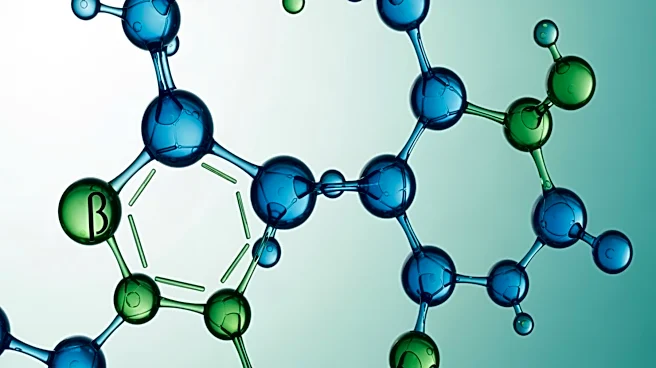







Beta hydroxy acids (BHAs) are a fascinating class of chemical compounds that play a significant role in various chemical reactions and applications. These acids are characterized by their unique structure, which includes a carboxylic acid group and a hydroxyl group separated by two carbon atoms. This structural feature distinguishes them from alpha hydroxy acids, where the hydroxyl group is only one carbon away from the carboxylic acid group. Understanding
the chemical properties and reactions of BHAs can provide insights into their applications and significance in different fields.
Chemical Structure and Properties
Beta hydroxy acids are defined by their specific chemical structure, which includes a carboxylic acid group and a hydroxyl group separated by two carbon atoms. This arrangement is crucial as it influences the acid's strength and reactivity. Compared to their non-hydroxylated counterparts, beta hydroxy acids are stronger acids, although they are weaker than alpha hydroxy acids. This difference in acidity is due to the larger distance between the functional groups, which makes the formation of intramolecular hydrogen bridges less favorable.
The acidity of beta hydroxy acids can be illustrated by examining the propionic series. For instance, propanoic acid has a pKa of 4.87, while beta hydroxypropionic acid has a pKa of 4.51. This comparison highlights the increased acidity of beta hydroxy acids due to the presence of the hydroxyl group, which can stabilize the carboxylate ion formed upon deprotonation.
Reactions and Applications
One of the notable reactions involving beta hydroxy acids is dehydration, which leads to the formation of alpha-beta unsaturated acids. This reaction is significant in organic synthesis, where the resulting unsaturated acids can serve as intermediates in the production of various chemical compounds. The ability of beta hydroxy acids to undergo such transformations makes them valuable in the field of synthetic chemistry.
In addition to their role in chemical reactions, beta hydroxy acids are also important in industrial applications. For example, 3-hydroxypropionic acid, a simple beta hydroxy acid, is used in the production of acrylates, which are essential components in the manufacture of plastics and other materials. The versatility of beta hydroxy acids in both chemical reactions and industrial applications underscores their importance in various sectors.
Natural Occurrence and Biological Significance
Beta hydroxy acids are not only important in chemical and industrial contexts but also occur naturally in various biological systems. Aldonic acids, a type of sugar acid, are a class of naturally occurring beta hydroxy acids. These acids have the general chemical formula HO2C(CHOH)nCH2OH and are derived from the oxidation of sugars. Gluconic acid, for instance, is a common aldonic acid that is an oxidized derivative of glucose.
The presence of beta hydroxy acids in biological systems highlights their significance in metabolic processes. These acids can participate in various biochemical reactions, contributing to the regulation and maintenance of cellular functions. The study of beta hydroxy acids in biological contexts can provide valuable insights into their roles in health and disease.
In conclusion, beta hydroxy acids are a unique class of chemical compounds with distinct structural features and properties. Their ability to participate in various chemical reactions and their occurrence in natural systems make them an important subject of study in both chemistry and biology.