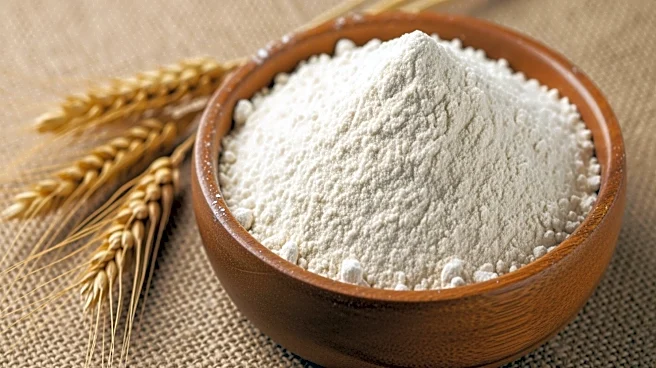







Wheat flour is a fundamental ingredient in many diets, but its nutritional value can vary significantly depending on the type and processing methods. This article delves into the nutritional aspects of wheat flour, focusing on the differences between whole wheat and white flour, the impact of enrichment, and the role of gluten content in baking.
Whole Wheat vs. White Flour
Whole wheat flour is made from the entire wheat kernel, including the endosperm, germ, and bran. This composition
retains more nutrients compared to white flour, which is made from the endosperm alone. The removal of the germ and bran in white flour results in a loss of fiber and essential vitamins, making whole wheat flour a more nutritious option.
Despite its lower nutritional profile, white flour is often enriched to compensate for the loss of nutrients during processing. Enrichment involves adding vitamins and minerals such as iron, niacin, thiamine, and riboflavin, which are essential for maintaining health. This process helps improve the nutritional value of white flour, making it a viable option for those who prefer its texture and taste.
The Role of Gluten
Gluten is a protein found in wheat flour that plays a crucial role in baking. It provides elasticity and strength to dough, allowing it to rise and maintain its shape. The gluten content in flour can vary, with "strong" or "hard" flour containing higher levels of gluten compared to "weak" or "soft" flour.
This variation affects the texture and use of flour in baking. High-gluten flour is ideal for bread-making, as it produces a chewy texture and good rise. In contrast, low-gluten flour is better suited for cakes and pastries, where a tender crumb is desired. Understanding gluten content is essential for selecting the right flour for specific baking needs.
Enrichment and Health
Enrichment of wheat flour is a widespread practice aimed at improving its nutritional profile. As of 2016, it is a legal requirement in 86 countries to fortify wheat flour with essential nutrients. This practice addresses deficiencies in diets that rely heavily on refined flour products.
The addition of folic acid in the 1990s further enhanced the health benefits of enriched flour, particularly in preventing neural tube defects during pregnancy. These efforts reflect a growing awareness of the importance of nutrition in flour products, ensuring that they contribute positively to overall health.
Wheat flour's nutritional value is influenced by its type, processing, and enrichment. Understanding these factors is crucial for making informed dietary choices, ensuring that flour-based products contribute to a balanced and healthy diet.