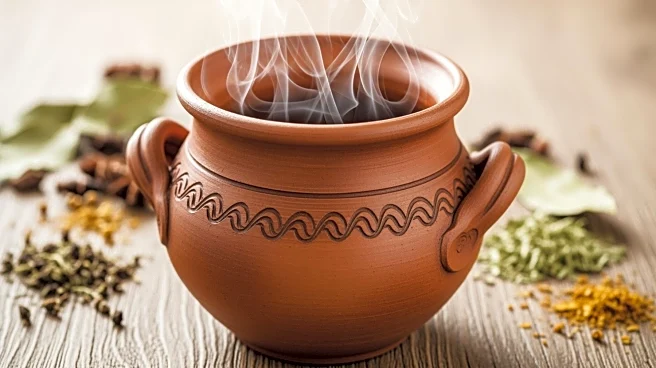

Clay pot cooking is a culinary tradition that transcends borders, offering a glimpse into the diverse cultural practices of communities around the world. From the Mediterranean to Asia, each region has
developed its unique approach to using clay pots, reflecting local flavors and cooking techniques. This article takes you on a journey through the rich tapestry of clay pot cooking traditions, highlighting the cultural significance and culinary diversity of this age-old practice.
Mediterranean and European Traditions
In the Mediterranean region, clay pot cooking has been a staple for centuries. The Romans were known to have adapted the Etruscan wet-clay cooking vessels, leading to the creation of the Roman pot, which influenced cooking traditions across Europe. In Germany, the Römertopf, introduced in 1967, is a modern recreation of these ancient vessels, used for a variety of oven-baked dishes. The Römertopf is soaked in water before use, ensuring that the food remains moist and flavorful during cooking.
In France, clay pots are used to prepare daubes and other traditional dishes, while in Spain, the olla de barro and cazuela are popular choices for slow-cooked meals. Italy boasts a variety of clay pots, such as the pignatta and tiella, each designed for specific dishes like beans and gratins. These European traditions showcase the versatility of clay pots in creating hearty, flavorful meals that are deeply rooted in local culinary heritage.
Asian Clay Pot Cooking Techniques
Asia offers a rich array of clay pot cooking traditions, each with its unique characteristics. In China, the sandy pot is a popular choice for preparing dishes like claypot rice, known for its distinctive scorched crust. The Japanese donabe, made from porous clay, is used for communal meals, emphasizing the cultural practice of nabe o kakomu, or 'surrounding the pot.' This tradition highlights the communal aspect of dining, where food is shared and enjoyed together.
In Korea, the ddukbaegi and dolsot are used for soups and bibimbap, respectively, while in Vietnam, kho dishes are prepared in clay pots, offering a sweet and savory flavor profile. These Asian techniques demonstrate the adaptability of clay pots in accommodating various cooking styles, from simmering stews to quick stir-fries, all while preserving the essence of traditional flavors.
African and Middle Eastern Clay Pot Traditions
In Africa, clay pot cooking is integral to many culinary practices. The Moroccan tajine, with its conical lid, is used to prepare slow-cooked stews that are rich in spices and flavors. The tagra and gedra are other Moroccan clay pots used for baking fish and beans, respectively. These pots are designed to retain moisture and enhance the taste of the ingredients, making them ideal for the region's flavorful cuisine.
Middle Eastern traditions also embrace clay pot cooking, with Palestinian dishes like zibdiye and qidreh showcasing the versatility of these vessels. The zibdiye is used for shrimp stews, while qidreh is a ceremonial rice and meat dish cooked in a communal oven. These practices highlight the communal and celebratory aspects of clay pot cooking, where food is not just sustenance but a means of bringing people together.
Clay pot cooking is a testament to the enduring appeal of traditional culinary methods. As we explore the diverse practices around the world, we gain a deeper appreciation for the cultural significance and culinary artistry that clay pots bring to the table.