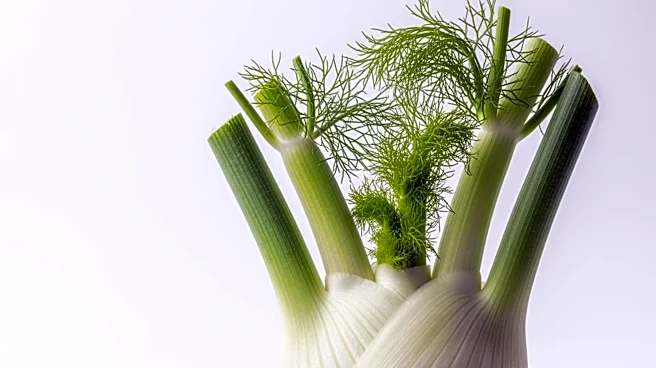







Fennel, or Foeniculum vulgare, is a fascinating plant with a rich botanical profile. As a member of the Apiaceae family, which includes carrots and parsley, fennel is a hardy perennial herb known for its feathery leaves and yellow flowers. Indigenous to the Mediterranean region, fennel has adapted to various climates and is now found in many parts of the world.
Botanical Characteristics
Fennel is characterized by its tall, erect stems that can reach up to seven feet in height.
The stems are hollow and glaucous green, providing a striking contrast to the plant's bright yellow flowers. These flowers are arranged in compound umbels, a common feature among plants in the Apiaceae family. Each umbel can contain 20 to 50 tiny flowers, which eventually give way to the plant's distinctive seeds.
The leaves of fennel are finely dissected and threadlike, resembling those of dill but even more delicate. These leaves can grow up to 16 inches long and are a key feature of the plant's appearance. The fruit of the fennel plant is a dry schizocarp, which splits into two seeds upon maturity. These seeds are grooved and vary in color from green to brown as they age.
Classification and Varieties
Fennel belongs to the genus Foeniculum within the Apiaceae family. Its scientific classification places it in the order Apiales, clade Asterids, and clade Eudicots. The plant's binomial name, Foeniculum vulgare, reflects its widespread presence and adaptability.
There are several varieties of fennel, each with unique characteristics. Florence fennel, also known as bulb fennel, is a cultivated variety with a swollen stem base that is used as a vegetable. This variety is particularly popular in Italian cuisine and is often mislabeled as "anise" in North American markets. Another variety, bronze fennel, is grown for its ornamental value, featuring striking purple-bronze foliage.
Ecological Adaptations
Fennel's ability to thrive in diverse environments is a testament to its ecological adaptability. The plant is commonly found in dry, coastal areas and along riverbanks, where it can withstand challenging conditions. Its naturalization in regions outside its native range, such as North America and Australia, has led to its classification as an invasive species in some areas.
Despite its invasive potential, fennel remains a valuable plant for both culinary and ornamental purposes. Its unique botanical features and adaptability make it a subject of interest for botanists and gardeners alike. Whether admired for its beauty or utilized for its flavor, fennel continues to be a plant of significance across the globe.