



The Volkswagen Type 2, known for its distinctive design and engineering, has undergone significant changes throughout its history. From its inception in the 1950s to its modern iterations, the Type 2 has evolved to meet the demands of drivers while maintaining its iconic status. This article examines the engineering and design evolution of the Volkswagen Type 2, highlighting key changes and innovations across its generations.
The Early Years: T1 and T2
The first generation of
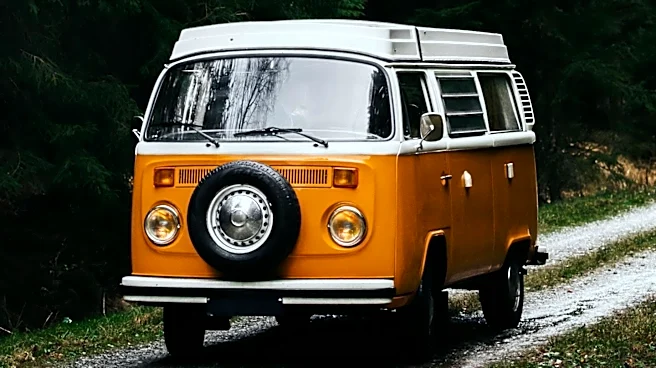
the Volkswagen Type 2, the T1, was introduced in 1950. It featured a split windshield and an air-cooled engine mounted at the rear, a design inspired by the Volkswagen Beetle. The T1's simple yet functional design made it a popular choice for families and businesses alike.
In 1967, the T2 was launched, bringing several improvements to the Type 2. The most notable change was the transition to a single-piece windshield, enhancing visibility and safety. The T2 also featured a more powerful engine and improved suspension, providing a smoother ride. These changes marked a significant step forward in the Type 2's engineering and design.
The Boxy Transformation: T3
The T3, introduced in 1979, represented a departure from the rounded shapes of its predecessors. Its boxier design provided more interior space and a sturdier build. The T3 was one of the last models to feature an air-cooled engine before transitioning to water-cooled engines in 1983.
The T3 also introduced the Syncro model, offering four-wheel drive capabilities for the first time. This innovation expanded the Type 2's versatility, making it suitable for off-road adventures and challenging terrains. The T3's engineering advancements set the stage for future generations of the Type 2.
Modern Innovations: T4 to T7
The T4, released in 1990, marked a significant shift in design philosophy. It adopted a front-engine, front-wheel-drive layout, improving handling and comfort. This change aligned the Type 2 with contemporary automotive trends, enhancing its appeal to modern drivers.
Subsequent generations, including the T5, T6, and the latest T7, have continued to build on the Type 2's legacy. These models incorporate advanced technology and design elements, such as improved aerodynamics and fuel efficiency. Each iteration has maintained the core values of practicality and adaptability, ensuring the Volkswagen Type 2 remains a beloved choice for drivers worldwide.
The engineering and design evolution of the Volkswagen Type 2 reflects its ability to adapt and innovate while preserving its iconic status. As the automotive industry continues to evolve, the Type 2 remains a testament to Volkswagen's commitment to quality and innovation.