




The Hipster PDA, a paper-based personal organizer, emerged as a unique response to the growing complexity and cost of digital personal assistants. Popularized by Merlin Mann in 2004, this simple yet effective tool quickly gained traction among productivity enthusiasts, particularly those following David Allen's Getting Things Done methodology. Despite its humble beginnings as a tongue-in-cheek concept, the Hipster PDA has carved out a niche in the world
of personal organization.
Origins and Concept
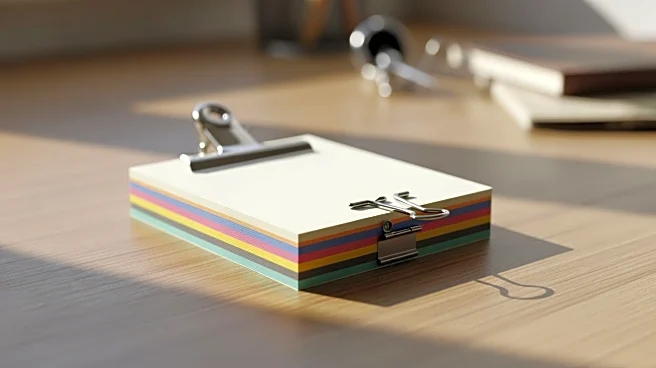
The Hipster PDA was introduced as a satirical take on the digital personal assistants that were becoming increasingly popular and expensive. Mann's creation consisted of a stack of index cards held together with a binder clip, offering a low-cost, battery-free alternative to digital devices. The name itself, Hipster PDA, was a playful nod to the hipster subculture, with PDA humorously standing for "Parietal Disgorgement Aid."
Initially, the Hipster PDA was intended as a commentary on the tech industry's obsession with gadgets. However, it quickly resonated with individuals seeking a more straightforward approach to personal organization. The simplicity and flexibility of the Hipster PDA allowed users to customize their organizers to suit their needs, making it a practical tool for managing tasks and notes.
Popularity and Adoption
The Hipster PDA gained widespread attention through media coverage and online discussions. Its appeal lay in its accessibility and adaptability, attracting a diverse group of users who appreciated its minimalist design. Enthusiasts shared photos of their customized Hipster PDAs and exchanged tips on how to maximize its utility.
One of the key factors contributing to the Hipster PDA's popularity was its alignment with the Getting Things Done (GTD) methodology. GTD followers found the Hipster PDA to be an ideal tool for capturing and organizing tasks, as it allowed for easy categorization and prioritization. The paper-based format also encouraged users to engage more deeply with their tasks, fostering a sense of accomplishment as they physically checked off completed items.
Cultural Impact and Legacy
The Hipster PDA's influence extended beyond its practical applications, as it became a symbol of resistance against the digital age's relentless push for more technology. It represented a return to simplicity and a focus on what truly mattered: getting things done. This cultural impact was further amplified by the DIY ethos that surrounded the Hipster PDA, with users creating and sharing printable templates for various organizational needs.
While the Hipster PDA may not have replaced digital devices, it has left a lasting mark on the productivity landscape. Its legacy endures as a reminder that sometimes, the simplest solutions are the most effective. The Hipster PDA continues to inspire those who seek to balance technology with tangible, hands-on methods of organization.