

Amos 'n' Andy began as a groundbreaking radio sitcom in the late 1920s, capturing the attention of American audiences with its unique portrayal of black characters. Created by Freeman Gosden and Charles Correll, the show initially aired on radio and later transitioned to television, marking a significant shift in its presentation and reception. This article explores the journey of Amos 'n' Andy from radio to television and the cultural impact it had
during its time.
The Radio Era
Amos 'n' Andy debuted on radio in 1928, quickly becoming one of the first radio comedy series to gain widespread popularity. The show was set in Chicago and later moved to Harlem, featuring characters like Amos Jones, Andrew Hogg Brown, and George "Kingfish" Stevens. Despite being voiced by white actors, the show focused on black characters, which was a novel concept at the time. The radio series ran until 1960, evolving from a nightly serial to a weekly situation comedy.
The radio show was known for its serialized storytelling, with cliffhanger endings that kept audiences engaged. It was the first radio program to be distributed by syndication in the United States, reaching a vast audience across the country. The show's success was partly due to its innovative use of voice modulation and character development, which created an intimate listening experience for audiences.
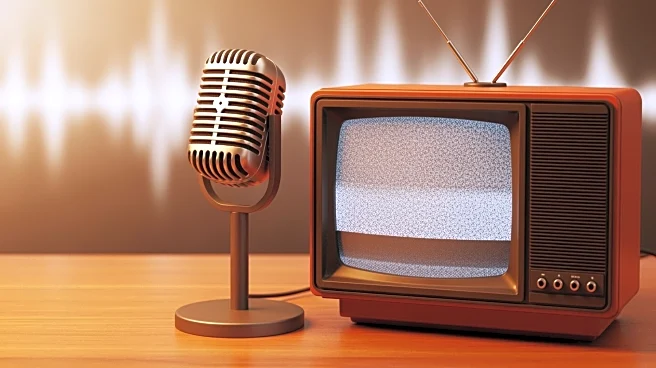
Transition to Television
In 1951, Amos 'n' Andy made its television debut, becoming the first U.S. television program with an all-black cast. This transition marked a significant change, as black actors took over the roles previously voiced by Gosden and Correll. The television series ran until 1953, with reruns continuing until 1966. Despite its popularity, the show faced criticism and controversy for its portrayal of racial stereotypes.
The television adaptation retained the comedic elements of the radio show but also introduced new dynamics with visual storytelling. The characters of Amos, Andy, and Kingfish were brought to life by actors who added depth to their roles. However, the show was met with protests from civil rights groups, leading to its eventual cancellation.
Cultural Impact and Controversy
Amos 'n' Andy's transition from radio to television highlighted the evolving landscape of American entertainment. While the show was a pioneer in featuring black characters, it also perpetuated racial stereotypes that were criticized by organizations like the NAACP. The controversy surrounding the show reflected broader societal tensions regarding race and representation in media.
Despite its problematic aspects, Amos 'n' Andy played a role in paving the way for future television shows with diverse casts. It remains a significant part of American cultural history, illustrating the complexities of representation and the power of media in shaping public perceptions.