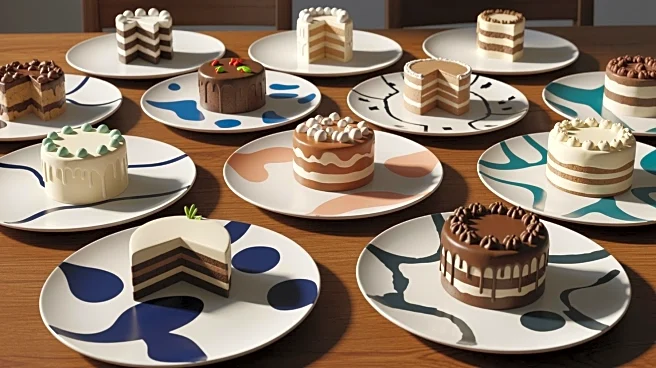



Cakes are more than just a sweet treat; they hold cultural significance and vary widely across different regions and traditions. From celebratory dishes to everyday indulgences, cakes have become an integral part of many cultures. This article explores the diverse world of cakes, highlighting their cultural importance and the unique variations found around the globe.
Cakes as Celebratory Dishes
Cakes are often associated with celebrations and special occasions. In many cultures,
they are a staple at weddings, anniversaries, and birthdays. The tradition of serving cake at these events is deeply rooted in history, with the cutting of a wedding cake being a social ceremony in some cultures. This ritual can be traced back to the Ancient Roman marriage ritual of confarreatio, which involved the sharing of a cake.
Particular types of cakes are also linked to specific festivals. For example, stollen and chocolate logs are associated with Christmas, while simnel cake is traditionally eaten at Easter. These cakes not only serve as delicious treats but also symbolize the joy and festivity of the occasions they accompany.
Regional Variations
The diversity of cakes is evident in the wide range of regional variations found around the world. In the United States, butter cakes and sponge cakes are popular, with variations like chocolate cake and red velvet cake being household favorites. In contrast, European countries have their own unique cake traditions. For instance, the French Gâteau is a highly decorated sponge cake, while the German Baumkuchen, or "tree cake," is known for its characteristic rings resembling tree rings.
In Asia, cakes take on different forms and flavors. The Japanese Castella is a moist sponge cake made with flour, sugar, eggs, and mizuame, while the Filipino Bibingka is a traditional rice cake made with ground glutinous rice and coconut milk. These regional variations showcase the adaptability of cake recipes to local ingredients and tastes.
Symbolic and Social Roles
Beyond their role as celebratory dishes, cakes often hold symbolic and social significance. In some cultures, cakes are used to convey messages or express creativity. For example, the Lancashire Courting Cake is a fruit-filled cake baked by a fiancée for her betrothed, symbolizing her baking skills and commitment.
Cakes can also serve as a form of artistic expression. The decoration of cakes has become an art form in itself, with elaborate designs and intricate details showcasing the creativity and skill of bakers. This aspect of cake-making allows individuals to personalize their creations, making them unique to the occasion or recipient.
Cakes are a universal delight, transcending cultural boundaries and bringing people together in celebration. Their cultural significance and regional variations reflect the rich tapestry of human traditions and creativity. Whether enjoyed as a simple dessert or a centerpiece of a grand celebration, cakes continue to hold a special place in the hearts of people worldwide.