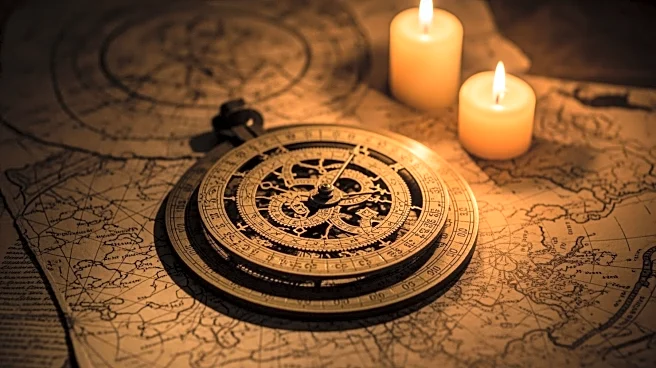




Electional astrology, a fascinating branch of astrology, has been used for centuries to determine the most auspicious times to initiate events. This practice, which differs from horary astrology, focuses on selecting the best possible moment for an event to ensure a favorable outcome. Historically, electional astrology has played a significant role in planning important events such as battles, weddings, and journeys. Understanding its historical roots
provides insight into how this practice evolved and influenced various cultures.
Ancient Beginnings
Electional astrology can trace its origins back to the Babylonians, who began using a rudimentary form of this practice after the 16th century BCE. The Babylonians were pioneers in astrology, and their methods were passed down to other ancient civilizations, including the Egyptians and Persians. These early forms of astrology laid the groundwork for the development of more sophisticated techniques used in electional astrology.
In India, early Vedic astrologers practiced a form of electional astrology known as Muhurta. This method was employed to choose auspicious times for various activities, such as starting yajnas, traveling, engaging in warfare, and even filmmaking. The use of Muhurta highlights the importance of timing in Indian culture and its belief in the influence of celestial bodies on earthly events.
Evolution in the Hellenistic Period
The practice of electional astrology continued to evolve, reaching a significant milestone in the 1st century CE with the work of Dorotheus of Sidon. His treatise, Carmen Astrologicum, is the oldest known text on electional astrology and serves as a foundation for modern practices. Dorotheus's work was influential in the Hellenistic world, where astrology was widely practiced and respected.
During this period, electional astrology became more refined, with astrologers using complex calculations to determine the best times for events. The Hellenistic period was a time of great intellectual exchange, and astrology was an integral part of the cultural and scientific landscape. The techniques developed during this era continue to influence modern electional astrology.
Modern Perspectives
Despite its historical significance, electional astrology has faced challenges in the modern era. Scientific discoveries about celestial objects have undermined the theoretical basis for astrology, leading to its classification as a pseudoscience. Empirical investigations have shown that predictions based on astrology are not accurate, casting doubt on its validity.
Nevertheless, electional astrology remains popular among its proponents, who continue to use it to plan events. While its scientific credibility may be questioned, the cultural and historical impact of electional astrology is undeniable. It serves as a testament to humanity's enduring fascination with the stars and the belief in their influence on our lives.