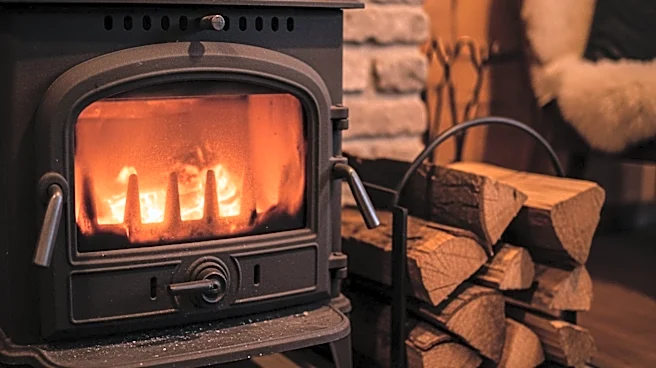







Wood-burning stoves have been a staple in homes for centuries, providing warmth and a means to cook food. Despite the advent of modern heating technologies, these stoves remain popular for their efficiency and rustic charm. This article delves into the enduring appeal of wood-burning stoves, examining their design, functionality, and continued relevance in today's world.
The Design and Functionality of Wood-Burning Stoves
Wood-burning stoves are designed to burn wood fuel and wood-derived biomass, such
as sawdust bricks. Typically made of cast iron or steel, these stoves feature a closed firebox lined with fire brick and one or more air controls. The design allows for efficient combustion, with the stove connected to a flue that draws hot gases out of the fire chamber.
The air supply is crucial for the safe and efficient operation of wood-burning stoves. Dampers and air intake adjustments regulate airflow, ensuring that the fire burns at the desired intensity. Modern stoves may include catalytic combustors to burn remaining particles and gases, resulting in more heat output and less environmental impact.
The Appeal of Wood-Burning Stoves
Wood-burning stoves offer several advantages that contribute to their enduring popularity. They provide a reliable source of heat, especially in areas where electricity or gas may be unavailable or unreliable. The warmth from a wood-burning stove is often described as more comforting and consistent than that from other heating methods.
In addition to their practical benefits, wood-burning stoves have a nostalgic appeal. They evoke a sense of tradition and simplicity, often serving as a focal point in homes. The sight and sound of a crackling fire can create a cozy and inviting atmosphere, making these stoves a favorite among those who appreciate a rustic aesthetic.
Modern Innovations and Environmental Considerations
While wood-burning stoves are rooted in tradition, modern innovations have improved their efficiency and environmental impact. Airtight stoves, for example, are designed to burn fuel more completely, reducing emissions and increasing heat output. These stoves are often equipped with features that allow for precise control of the burn rate and temperature.
As concerns about air pollution and deforestation grow, efforts to improve stove design continue. Research and development focus on creating stoves that use less fuel and produce fewer emissions. Pellet stoves, which burn compressed wood or biomass pellets, are an example of a clean-burning alternative that retains the charm of traditional wood-burning stoves.
In conclusion, wood-burning stoves remain a timeless heating solution, valued for their efficiency, aesthetic appeal, and connection to tradition. As technology advances, these stoves will likely continue to evolve, offering even more sustainable and efficient options for heating and cooking.