
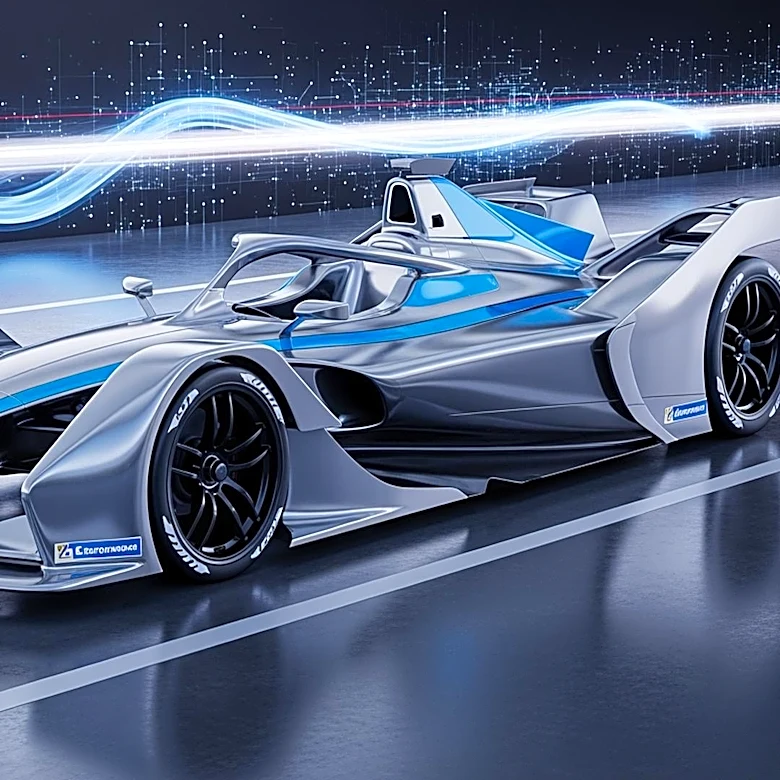

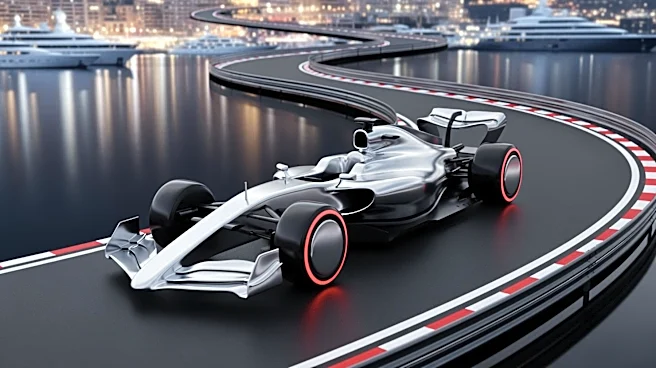
The Formula Renault 3.5 Series has been a significant part of European open-wheel racing, offering a platform for drivers to showcase their skills. This series, which began as part of the World Series by Renault, has undergone several transformations, eventually evolving into the World Series Formula V8 3.5 in 2016. This article explores the historical development of the series, highlighting key changes and milestones.
Origins and Early Years
The Formula Renault 3.5 Series
was established as a premier racing championship in Europe, providing a stepping stone for drivers aspiring to reach higher levels of motorsport. Initially, the series was part of the World Series by Renault, which included other racing categories like the Eurocup Formula Renault 2.0 and the Eurocup Mégane Trophy. The series quickly gained a reputation for its competitive nature and the quality of drivers it attracted.
In its early years, the series used Dallara chassis and Renault engines, which were known for their reliability and performance. The cars were equipped with a 3.5-liter V6 engine, producing around 480 bhp, making them a formidable challenge for drivers. The series was designed to bridge the gap between Formula Three and Formula One, offering a platform for drivers to hone their skills in a highly competitive environment.
Technical Advancements
Over the years, the Formula Renault 3.5 Series saw several technical advancements that kept it at the forefront of racing technology. In 2012, the series adopted a new chassis, the Dallara T12, and introduced a more powerful 3.4-liter V8 engine developed by Zytek. This engine produced 530 bhp, providing drivers with an even greater challenge and opportunity to demonstrate their abilities.
The introduction of the Drag Reduction System (DRS) in the same year was another significant development. This system, similar to the one used in Formula One, allowed drivers to reduce aerodynamic drag and increase speed on straights, adding a strategic element to the races. These technical advancements ensured that the series remained relevant and continued to attract top talent from around the world.
Transition to World Series Formula V8 3.5
In 2016, the series underwent a major transformation, becoming the World Series Formula V8 3.5. This change marked a new era for the championship, as it continued to evolve and adapt to the changing landscape of motorsport. Despite the rebranding, the series maintained its core values of providing a competitive platform for emerging talent.
The transition to the World Series Formula V8 3.5 was driven by the need to keep the series fresh and appealing to both drivers and fans. The new name reflected the series' commitment to innovation and excellence, ensuring its place as a key player in the world of motorsport. However, despite these efforts, the series faced challenges, and in 2017, it was announced that the championship would not continue due to a lack of entries.
The Formula Renault 3.5 Series, in its various forms, has left a lasting legacy in the world of motorsport. It has been a proving ground for many successful drivers and has played a crucial role in the development of racing talent worldwide.